From the emerald waters of Halong Bay to the ancient lantern-lit streets of Hoi An, Vietnam is one of Southeast Asia's most rewarding destinations. It’s a country that spans dramatic landscapes, centuries of history and extraordinary food, often all within the same day’s journey. Whether you’re looking to explore as much of the country as possible or stick in one place, good travel insurance can help you keep your mind on your trip, not on the worries of what could go wrong.

In this guide:
-
Places to go and things to do in Vietnam
-
How much do things cost in Vietnam?
-
Do you need travel insurance for Vietnam?
-
What does and doesn’t travel insurance cover for Vietnam?
-
Motorbikes, scooters and adventure activities
-
Medical cover in cities versus remote areas
-
What extra cover can you add?
-
Different types of cover for Vietnam holidays
-
Laws and customs to know before you go
-
Visas and entry requirements
-
Checklist for Vietnam
-
Common questions about visiting Vietnam
Places to go and things to do in Vietnam
Halong Bay
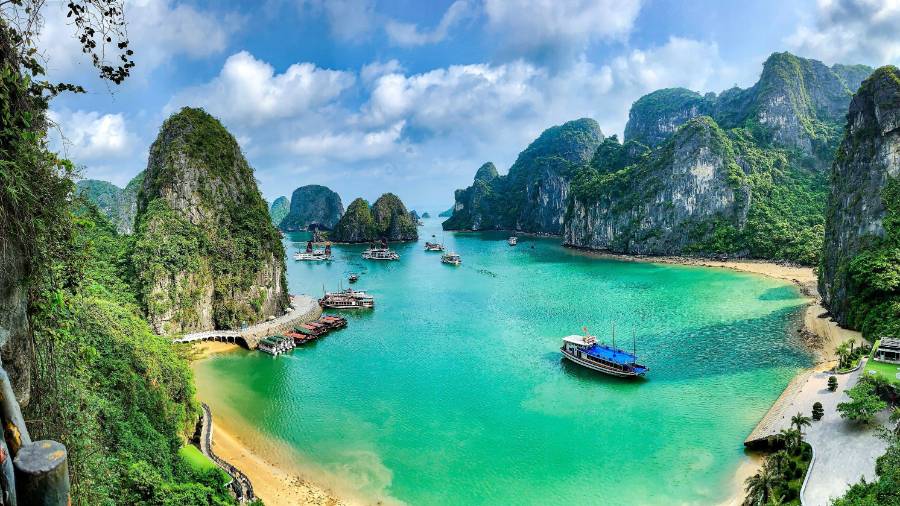
Few landscapes anywhere in the world match Halong Bay’s drama. Nearly 2,000 limestone karsts rise from calm green water across a stretch of 1,500 square kilometres, many covered in jungle and hiding sea caves within. You can rent kayaks and stop off at a beach you like the look of, without having to be part of a group tour. It can feel like exploring a still unspoiled world. Some islands enable you to rent bikes, allowing you to take in more of the lush vegetation and powerful scenery. If this doesn’t take your breath away, not much will.
Hanoi
Vietnam’s capital is a city of layers. Crumbling French colonial architecture alongside ancient pagodas. Tree-lined boulevards beside chaotic Old Quarter alleyways where streets still bear the names of the trades that once defined them. It manages to somehow be manic and peaceful at the same time. A visit to the water puppet theatre is a great way to see an ancient artform not found in the West, combining music, puppetry and storytelling.
Hoi An
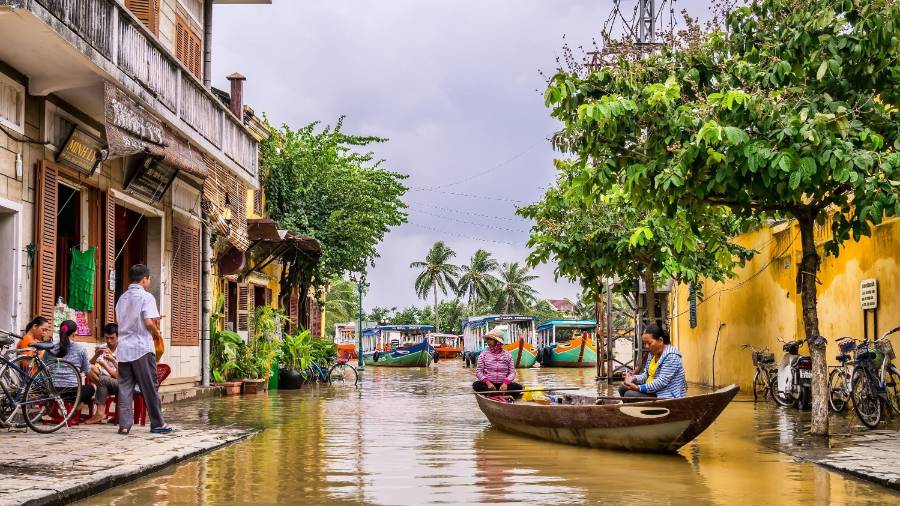
Hoi An is home to the best-preserved ancient town in Vietnam, with so much of the country destroyed in the war with the US. It’s a place of yellow-walled merchant houses, wooden shopfronts and, at night, hundreds of silk lanterns reflected in the Thu Bon River. There’s no shortage of things to do, like fishing and cooking classes. You can also pick yourself up a new outfit, as Hoi An is famous for its tailors. High quality clothes can be made to measure in 24 hours, at a fraction of what you’d pay at home.
Hue
Vietnam’s former imperial capital sits on the Perfume River in central Vietnam and rewards slower travel. The Imperial Citadel, modelled partly on Beijing’s Forbidden City, is a UNESCO World Heritage Site, and the royal tombs spread across the surrounding countryside are some of the most atmospheric sites in the country.
Sapa and the northern highlands

The mountainous northwest, close to the Chinese border, is home to some of Vietnam’s most spectacular trekking. The terraced rice paddies around Sapa, best seen during the harvest in September and October when they turn gold, are justifiably famous. Hill tribe communities offer homestay experiences that offer unique perspectives on Vietnam. You don’t need to worry if you don’t have a trekking tour booked, plenty of local residents will offer to show you around the mountains for a fee.
Phong Nha and Son Doong Cave
Phong Nha-Ke Bang National Park in central Vietnam contains some of the most extraordinary cave systems on earth. Son Doong, the world’s largest cave, has its own weather system and sections of jungle inside it. Even the more accessible caves at Tu Lan and Phong Nha town are spectacular.
Ho Chi Minh City
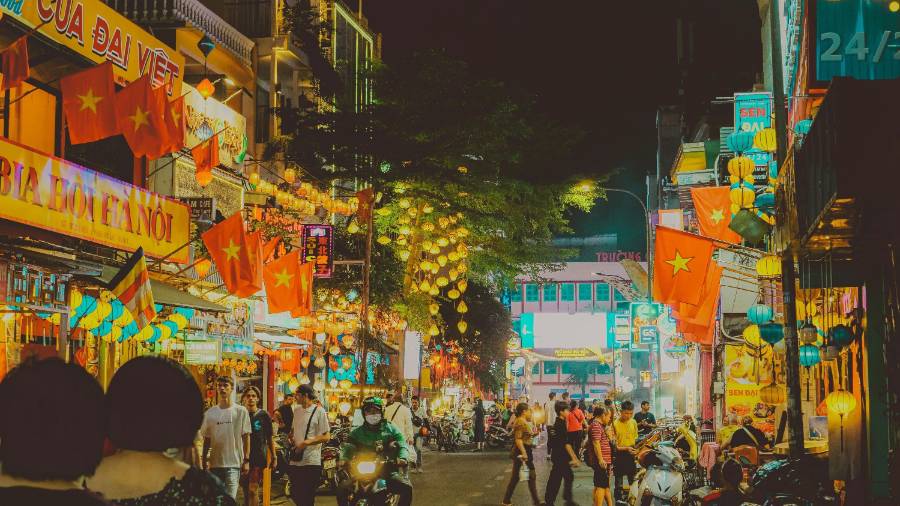
Still known as Saigon to most of its residents, Ho Chi Minh City is Vietnam’s engine room: fast, loud, relentlessly energetic and fascinating. The War Remnants Museum is a sobering but essential stop, while the Ben Thanh market and Bui Vien are popular for food tours. Depending on the tour you could expect to enjoy 8-12 dishes, including favourites such as pho, banh mi and com tam.
Ninh Binh
Often called ‘Halong Bay on land’, Ninh Binh offers the same dramatic limestone karst scenery without the crowds or the boat trips. Cycling or rowing through the flooded rice fields and temples of Tam Coc is one of the most peaceful experiences Vietnam has to offer, and it’s easily reached from Hanoi as a day trip or overnight stop.
Da Nang and the coast
Vietnam’s central coast has some of the best beaches in Southeast Asia, and Da Nang is a relaxed and well-connected base for exploring them. The Marble Mountains, a cluster of limestone hills studded with caves and shrines, are just south of the city. Locally made marble ornaments make a nice souvenir from your travels. Hoi An is 30 minutes away by road, making Da Nang an excellent hub for this stretch of the country.
Phu Quoc Island
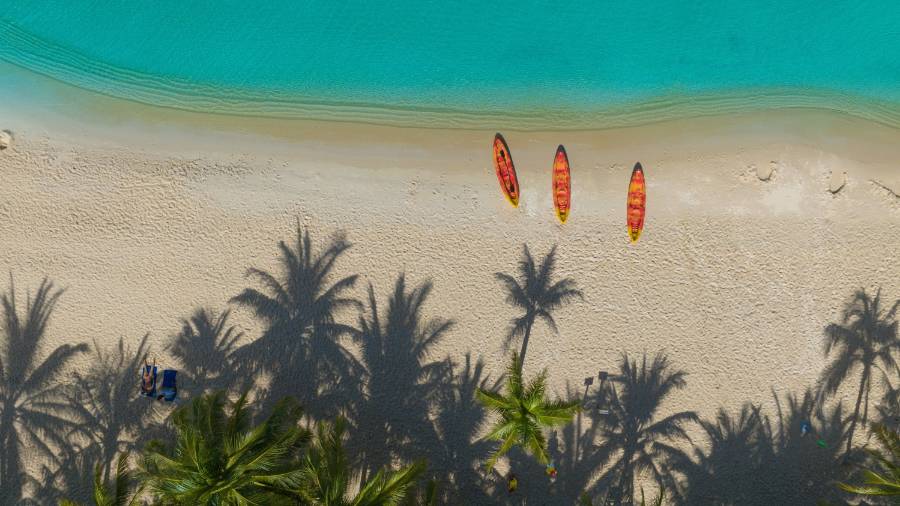
Off the southwest coast near the Cambodian border, Phu Quoc is Vietnam’s largest island and one of its most popular beach destinations. Long white sand beaches, clear warm water and a growing range of resorts make it an idyllic place for some R&R. There’s arguably not quite as much to do as other areas, but if you’ve spent some time travelling through the country, that might be exactly what you’re looking for. Grab a cocktail and get your feet in the sand.
How much do things cost in Vietnam?
Vietnam can be an affordable choice for UK visitors. Accommodation, food and local transport are often very cheap by UK standards, though tourist-facing prices in popular areas like Hoi An and Halong Bay can be higher than elsewhere. Eating at local street stalls and market canteens is always good value; a bowl of pho or a banh mi from a street vendor will cost you very little. Guided tours, adventure activities and overnight cruises are where costs can mount up more quickly.
Vietnam’s currency is the Vietnamese dong (VND). Our currency converter can show you the current exchange rate. Data collated by Numbeo gives an approximation of average prices in Vietnam (accurate as of April 2026).
- Three-course meal for two (no drinks): Approx 500,000 VND (£14.04)
- Regular cappuccino: Approx 43,000 VND (£1.20)
- Taxi rate per kilometre: Approx 16,000 VND (£0.44)
Post Office can help you get your travel money ready before you go. You can buy Vietnamese dong at your local branch or order online for home delivery. Take a look at our travel money tips for more guidance.
Do you need travel insurance for Vietnam?
Travel insurance isn’t legally required to enter Vietnam, but it’s recommended by the Vietnam Entry Visa service and the UK’s FCDO. There’s no reciprocal healthcare agreement between the UK and Vietnam, which means your GHIC card is of no use here and any medical treatment will come at full cost to you. In cities like Hanoi and Ho Chi Minh City, private hospitals are well equipped and often have English-speaking staff, but they’re expensive. In rural and remote areas, quality care can be harder to access, and evacuation to a better-equipped facility in a city or neighbouring country could add very significantly to those costs.
Beyond medical cover, Vietnam’s combination of adventure activities, long-haul flights, pre-booked tours and unpredictable weather during typhoon season means there are plenty of situations where having insurance can help you recover costs if something goes wrong.
The FCDO currently advises that Vietnam is safe to travel to (accurate as of April 2026), but it’s always a good idea to check the latest guidance before you depart.
Is travel insurance required to enter Vietnam?
No, there’s no requirement to show proof of travel insurance at the Vietnamese border. However, some organised tours and trekking operators, particularly in remote areas, may ask for evidence of adequate cover before allowing you to join. It’s worth checking with your tour provider before you travel if this could apply to your trip.
What does and doesn’t travel insurance cover for Vietnam?
What does travel insurance cover for Vietnam?
Post Office Travel Insurance can offer help when your trip doesn’t go to plan. Here’s what’s included as standard. Limits and exclusions apply depending on your policy level, so it’s always worth reviewing the full policy details before you travel.
- Emergency medical costs and repatriation: Cover for unexpected illness or injury while you’re away, including getting you home safely if needed. All policies include Medical Assistance Plus1, giving you round-the-clock access to an English-speaking doctor via your phone on international trips
- Cancellation and curtailment: Financial protection if a covered event, such as illness, injury or bereavement, means you can’t travel or have to cut your trip short
- Lost, stolen or damaged belongings: Cover for your luggage, passport and money. Report any theft to the local police within 48 hours and keep the report, as you’ll need it when you make a claim
- Travel delays and missed connections: If your flight or onward transport is delayed or you miss a connection for a covered reason, we can help with the costs
- Personal liability: Protection if you accidentally injure someone or cause damage to their property while you’re abroad
What isn’t covered?
Understanding what’s excluded is just as important as knowing what’s included. You won’t be covered for:
- Undeclared pre-existing medical conditions
- Activities or sports not covered under your policy level, including certain adventure activities
- Incidents that occur while under the influence of alcohol or drugs
- Any claim arising from breaking local laws or disrespecting local customs
- Travelling to areas where the FCDO advises against all travel or all but essential travel
- Missed flights or connections due to your own error
Motorbikes, scooters and adventure activities
Does my travel insurance cover renting a motorbike or moped in Vietnam?
With Post Office Travel Insurance, you have personal accident cover for riding a motorbike or moped as long as the following are all true:
- You (or the driver if you are a passenger) hold an appropriate licence/certificate for the engine size you’re riding
- You’re not riding a motorbike or moped with an engine size above 125cc
- You ride on recognise roads following local safety laws
- You wear a helmet at all times
- You don’t ride under the influence of alcohol or drugs
Please note, personal liability insurance is not included with riding motorbikes. This means that if you were to crash your bike into a shop, your insurance wouldn’t cover the costs of the damages.
Vietnam has a love affair with the motorbike and exploring its beautiful landscapes on two wheels can be an affordable and highly enjoyable activity. Just remember that roads can be uneven and there’s no shortage of other motorists. Even if your insurance helps cover your medical bills, you still don’t want to spend any of your holiday in a hospital.
Other adventure activities in Vietnam
Vietnam’s geography makes it a genuine adventure travel destination. Other activities covered under Post Office Travel Insurance include:
- Trekking and hiking in places like Sapa and Phong Nha. You’re covered for trekking at up to 4,000 metres, but both of these places are considerably lower than that
- Kayaking on Halong Bay or in coastal areas up to grade 3. Be sure to stay within 12 nautical miles of the coastline
- Rock climbing, including the well-known routes around Cat Ba Island
- Scuba diving and snorkelling around Phu Quoc and the central coast. You’re covered up to depths of 30m if diving with a qualified instructor
- Ziplining in Phong Nha
Medical cover in cities versus remote areas
In major cities like Hanoi, Ho Chi Minh City and Da Nang, international and private hospitals are available and generally well equipped, with English-speaking staff. They’re not cheap, but the standard of care for most conditions is good.
The picture changes considerably once you leave the cities. In remote areas like Sapa, Ha Giang, the Mekong Delta and the more isolated parts of Phong Nha, local medical facilities may be limited. For anything more serious than minor treatment, you’d likely need to be transported to the nearest city hospital, which could mean a journey of several hours. In extreme cases, medical evacuation might be necessary, either to Hanoi or Ho Chi Minh City or, for the most serious situations, to Bangkok or Singapore where specialist care is available.
Emergency medical evacuation is one of the most expensive things travel insurance covers, and one of the most valuable. These costs are covered with Post Office Travel Insurance, with the limits at £5 million with economy cover, £10 million with standard cover and £15 million with Premier cover. Providing you weren’t involved in activity which isn’t covered, as outlined earlier, your repatriation costs are covered.
What extra cover can you add?
Post Office Travel Insurance lets you build a policy around your specific trip. You can see the terms and limits in our policy documentation and more information on each add-on's dedicated page.
- Excess waiver: Removes the amount you’d need to pay when making a claim
- Gadget cover: Offers additional cover for smartphones, while also providing cover for items such as cameras, laptops or other electronics
- Trip disruption cover: Helps you to recover costs if strikes, severe weather or civil unrest impact your plans. Vietnam can be affected by typhoons between June and November
- Cruise cover: Required if your trip includes a cruise, including an overnight cruise on Halong Bay
- Trip extension cover: Extends the standard 31-day per-trip limit on annual multi-trip policies for longer stays
Get covered for your Vietnam adventure
Different types of cover for Vietnam holidays
There are different travel insurance options available to you which suit different situations.
If you’re likely to go away more than once in the next 12 months, you might want to consider annual multi-trip cover. It can work out cheaper than buying multiple single-trip policies and it removes the possibility of forgetting to get insurance.
If you’re planning on a long trip, you might want to look at backpacker cover. It’s designed for people spending multiple months away, perhaps in various countries. You can be covered for up to 18 months, which includes three separate week-long trips back to the UK without having to adjust your cover.
Laws and customs to know before you go
Vietnam is a welcoming country for tourists and crime against visitors is relatively low. But there are some important legal and cultural differences that are worth understanding before you travel, particularly since breaking local laws can invalidate your travel insurance.
- Drugs: Vietnam has strict drug laws. Trafficking offences can carry the death penalty. Don’t assume that because something is available for sale it’s legal
- Alcohol: Methanol poisoning from counterfeit or low-quality alcohol has been reported in Vietnam and other parts of Southeast Asia. Stick to drinks from reputable, licensed venues. Incidents related to being under the influence of alcohol won’t be covered by your travel insurance
- Photography: Be cautious about photographing military installations, government buildings and border areas. It’s also respectful to ask permission before photographing people, particularly in more rural communities
- ID: It’s not uncommon for photographic ID to be requested in Vietnam, so you might want to consider saving a photo of your passport’s photo page on your phone
- Cultural respect: Vietnam is predominantly Buddhist, and temples and pagodas deserve appropriate dress and behaviour. Cover your shoulders and knees when entering religious sites. Remove shoes when asked to do so
Visas and entry requirements
UK passport holders can visit Vietnam without a visa for up to 45 days for tourism or business. Your passport must be valid for at least six months from your arrival date and have at least two blank pages. When you arrive, your passport will be stamped with your permitted stay. Check the date carefully before you leave border control, as errors won’t be corrected afterwards.
If you want to stay longer than 45 days, or plan to make multiple entries, you can apply for a Vietnamese e-visa online before you travel. E-visas allow stays of up to 90 days and multiple entries. If you overstay your visa, you may face fines, a ban on re-entry or difficulty leaving the country.
Checklist for Vietnam
- Explore travel insurance that covers your full itinerary, including every country you’re visiting and all planned activities
- Check your passport is valid for at least six months from your arrival date in Vietnam
- Confirm whether you need an e-visa, particularly for stays longer than 45 days or multi-entry trips
- Book any vaccinations recommended for Vietnam at least four to six weeks before you travel
- Avoid counterfeit or low-quality alcohol, particularly pre-mixed drinks
- Save a copy of your insurance policy and emergency contact numbers to your phone
Get peace of mind for your Vietnam trip
Common questions about visiting Vietnam
-
It can, but only if you’re riding legally. You, or the driver if you’re the passenger, will need a valid licence appropriate for the engine size. Riding without the correct licence is likely to mean any related claim is rejected. You need to be wearing a helmet at all times on recognised roads, following local safety laws. You’re also not covered for any motorbike or scooter with an engine size over 125cc.
-
The price depends on factors including your age, the length of your trip, any pre-existing medical conditions and the level of cover you choose. Adding optional extras like gadget cover or trip disruption protection will increase the premium. The quickest way to find out what you’d pay is to get a personalised quote online.
-
Yes. Vietnam is included under Post Office Travel Insurance worldwide policies. If you’re combining Vietnam with other Southeast Asian countries on the same trip, all destinations need to be within the geographical scope of your policy. Check before you travel that every country on your itinerary is covered.
-
As soon as you book. Taking out a policy at the point of booking means you’re covered for cancellation from day one. If something happens that prevents you from travelling before you depart, such as serious illness or redundancy, you’ll be able to claim back pre-paid costs, up to the limits in your policy. Buying your insurance the night before you fly only protects you for the trip itself, not for anything that might force you to cancel in advance.
Footnotes
1 Medical Assistance Plus is not available for trips taken in the UK, only for international travel. The service allows up to 3 separate medical events per person listed on the policy, and up to 3 appointments per event. All appointment charges are covered by your travel insurance policy. You will not need to pay any excess fees for this service. You may need to pay for your prescription upfront and claim on your return home.
Related articles and products

Travel insurance for Canada
Canada is a vast country of diverse delights – everything from bustling cities to snow-capped mountains, deep forests and crystal clear lakes. If you're thinking of experiencing them, it's time to consider your travel insurance.

Travel insurance for the Canary Islands
People flock to the Canary Islands from all over Europe. No wonder, with such appealing beaches, landscapes and temperatures to enjoy.

Travel insurance for Greece
Greece and the Greek islands have long been a popular travel destination for us Brits. But are there any travel risks or other factors to keep in mind before and when you go?

Travel insurance for Cuba
Today, Cuba is more accessible than it has been for many decades, and those who decide to holiday there can expect a mixture of colourful city life and luxurious beaches.

Travel insurance for Egypt
Make sure you’re travelling safely in Egypt with the latest advice and risks, and learn about getting around and local culture.

Travel insurance for France
It may be a short hop away, but a trip to France is not without its travel risks. Make sure you’re clued up on what they are and have travel insurance in place to help protect you, so you can concentrate on just enjoying your break.

Travel insurance for the Balearic Islands
It’s one of the most popular holiday hotspots for UK holidaymakers. But what can you expect from a trip to the Balearics?

What is the best month for a Caribbean cruise?
Dreaming of turquoise waters and sun-kissed beaches? Planning the perfect Caribbean cruise starts with choosing the right time to go. This guide explores the best month for a Caribbean cruise, what weather to expect and how to prepare.

Australia travel insurance
Find the best places to visit in Australia, tips on staying safe and why travel insurance is a must for your trip.

Winter sun holiday destinations to escape to
Looking to escape the chilly UK winter? Our Winter Sun Survey reveals the top sunny destinations UK travellers are choosing this season. And learn why travel insurance is key for a worry-free holiday in the sun.

Where is hot in March, April and May?
Spring is a great time to leave the cooler UK and go somewhere sunny. And we can help with that.

Safe travels: where can I go on holiday?
Travel’s a great way to unwind, see the world, open the mind and expand horizons. But rapidly changing situations around the world can soon impact such plans.

Travel insurance for China & Hong Kong
From the Great Wall to Victoria Harbour, China and Hong Kong offer some of the world’s most extraordinary experiences. Make sure you’re covered before you go.

Turkey travel insurance
A trip to Turkey offers beaches, mountains, distinct cuisine and striking architecture. Discover where to go and how travel insurance can help you make the most of your trip.

USA travel insurance
Discover top places to visit, tips on staying safe and why travel insurance is essential for an unforgettable USA adventure

Find hot holiday destinations any time of year
If you're the type of sunchaser who looks forward to that sizzling summer break, can’t wait to escape to warmer climes in the UK’s winter months or can't be away from vitamin D too long, we’ve got a few ideas about where to go.

Singapore travel insurance
Plan your trip to the Lion City with confidence, with our guide on what to see, local laws to be aware of and why insurance is advised by the FCDO.

Germany travel insurance
If you’re visiting our neighbours in central Europe, get the appropriate travel insurance so you can keep your mind on your trip

Barbados travel insurance
Discover some of the top places to visit in Barbados, healthcare information and tips on staying safe.

Travel insurance for South Africa
How safe is South Africa to visit and why is having travel insurance important when you go? Our guide looks at the potential travel risks and the cover you may want to look for in a policy.

Travel insurance for Ireland
Do UK residents need travel insurance for Ireland? And what healthcare is available for Brits if they’re visiting the country?

Travel insurance for Italy
Find out about the safety of travelling to Italy as well as the medical care available to Brits and how to get around.

Travel insurance for Japan
If you’re jetting off to Japan soon make sure you have good travel insurance to cover your trip. The right policy may offer more protection than the standard medical care UK citizens can access when they visit.

Spain travel insurance
Discover some top places to visit in Spain, tips on staying safe while you’re there and why travel insurance is essential for an unforgettable Spanish adventure.

Travel insurance for Thailand
Thailand’s idyllic beaches, azure-blue sea, buzzing cities and exciting alternative scene are a draw for Brits. A trip can be a once-in-a-lifetime event.

Iceland travel insurance
Prepare for your dream holiday to Northern Europe with useful information, tips and a travel insurance policy tailored to your trip.

Travel insurance for India
For many UK holidaymakers, India is an intriguing and diverse culture with colourful traditions and engrossing history. For many others, it’s a home from home.

Mexico travel insurance
Discover some of Mexico’s top spots to visit, tips on staying safe and guidance on travel insurance.

Morocco travel insurance
Perched on the northern tip of Africa, Morocco’s long been a popular destination for UK holidaymakers. If you’re heading there soon, make sure you’ve got good travel insurance to cover you.

Travel insurance for New Zealand
Find out what medical care Brits can access in New Zealand and travel risks to be aware of like natural catastrophes, however rare.

Travel insurance for Dubai
Discover top places to visit, tips on staying safe and why travel insurance is essential for an unforgettable Dubai adventure.

Best European Honeymoon destinations: popular spots and planning tips for newlyweds
One honeymoon countless countries and cultures to explore. Whether you’re craving adventure or paradise, history or culinary delights, Europe has it all.

Cheapest countries to visit in Europe: a travel money guide
Europe can offer real value if you know where to look. This guide compares some of the cheapest countries to visit on the continent, the currencies they use and how to plan your travel money before you go.

Best party holiday destinations in Europe: top islands, cities and how to pay
Looking to plan your ultimate party escape but can’t decide between big clubs and DJs or long, chilled beach days with bar-lined streets full of music and late-night partying?

Winter Sun Report 2026: Best value winter sun destinations compared
See which winter sun destinations offer the best value in 2026.

Best city breaks within a 3-hour flight of the UK
You don't need to fly halfway around the world for a memorable break. Some of Europe's best cities are less than three hours from the UK.

Best family holiday destinations: where to go and what to budget
Choosing the best family holiday destinations isn’t just about flights and beaches. It’s about what you’ll do and what you’ll spend once you arrive.

Family Holiday Report 2026: Best value and most expensive family breaks revealed
Find out where your money could go furthest on a family holiday in 2026. Compare popular beach spots, check what can push up costs and plan your spending before you go.

The true price of travel bugs and how to avoid a costly holiday nightmare

Lost and costly: What UK holiday-goers lose most on holiday and how to avoid it
A surprising number of items get lost on holiday. Learn what you can insure and how to keep it safe.

How to get a free flight upgrade
There are several ways to get to the top of the class on your flight – whether that's business or even first.

Don't make these holiday mistakes
Booking a last-minute holiday can get the blood pumping with the sudden thrill of adventure, but it also makes it easier to overlook things.

How to pack a suitcase
Whether you’re heading to the beach for a much-needed break or boarding a boat for a cruise somewhere breath-taking, it’s important to know what to pack in advance so you’ll have everything you need.

Travel insurance for cancer patients
If you're living with cancer but love to travel, can you get travel insurance for your trip?

Kids’ travel insurance
It’s exciting when your child takes their first trip without you. Whether it’s a school visit, a holiday with friends or a gap year adventure, you’ll feel proud… but it’s normal to worry too.

Travel insurance for people with high blood pressure
Travelling with high blood pressure is fine – but it’s important to make sure you’ve got the right cover in case something goes wrong abroad.

Travel insurance for diabetics
You should be able to get the right cover to travel abroad if you’re diabetic, making sure that your medical needs are taken care of.

European and Global Health Insurance Cards
If you're travelling to an EU country from the UK, make sure you take a Global Health Insurance Card (Ghic) with you or existing European health Insurance Card (Ehic), if it's still in date. You'll need them to access free healthcare during your stay, should you need it.

A complete list of backpacking essential items
Going backpacking is one of life’s great adventures. But before you set off you’ll need some packing tips so you're not weighed down on the way.

How to get assisted travel at airports
Lots of people who need assisted travel at airports are missing out simply because they don’t know how to go about asking for it.

What can I take on a plane?
Ready to jet off on a much-needed break but confused about what you can take with you on the flight?

Worldwide travel insurance
Fancy trekking in a remote Asian rainforest? A wild time in New York? Flying over Niagara Falls in a helicopter? Or maybe taking in the sights of Athens or Rome?

Vaccinations needed for Thailand
Some vaccinations for Thailand are recommended and some are mandatory in certain circumstances. It’s important to know which vaccinations or injections for Thailand you need to get before you leave home.

When to buy travel insurance
Do you need travel insurance for your trip? Is travel insurance worth it? And, if yes, when is the right time to buy cover?

Do I need travel vaccinations?
There’s no better feeling than planning an amazing trip to an exotic destination. Make staying safe with travel vaccinations top of your to-do list.

How to travel with your dog
Taking your best friend on holiday with you is everyone's ideal situation, but travelling with a dog can be a complicated process. Make sure you know how.

Travelling during your pregnancy
Before your little bundle of joy arrives, you may be considering taking a holiday. But is it safe? And what precautions should you consider before making a booking?

Travel insurance for seniors and travelling with grandchildren
Read our guide to travelling in later life. We explore what to look for in your travel insurance, plus taking trips with your grandchildren.

Schengen travel insurance for UK travellers
There are different rules for travelling to the Schengen Area from the UK since Brexit. If you’re visiting this part of Europe, find out if you need a Schengen visa and travel insurance.

Is Airbnb safe? Tips on staying safe
The arrival of Airbnb has helped to transform the travel industry in recent years. On any one night, over two million people stay in homes advertised through Airbnb in 65,000 cities around the world.

10 tips for keeping kids safe on holiday
We all know the feeling – getting to the airport, then a wave of panic comes over you. Did you remember your passport? What time's the flight? And where on earth did you put the kids?

How to protect your travel documents
While it’s useful to take hard copies of travel documents away, you can minimise your worry and risk. Here are some handy tips on keeping your travel documents safe.

10 ways to look after your valuables at the beach
The whole idea of lounging around on the beach is to switch off and enjoy the sunshine. But the reality is that opportunistic thieves are on the lookout for unattended valuables, and it’s important to make sure you’re protected.

Gap year travel advice for solo travellers
Exploring the globe can be scary, but there’s so much to find at the edge of your comfort zone. We look at some of the top destinations to visit on your own – and share tips on how to keep safe when you go.

Compare our travel insurance
Travel insurance is essential for any trip. It can help protect you from things like flight cancellations, medical emergencies and lost luggage.

Do I need travel insurance for a UK break or staycation?
Travel insurance for a holiday in the UK isn't something you must have, but it might be something you want to have.

Holiday packing and pre-travel checklist
So, you’ve booked your flights, accommodation and activities. What next?

What you should do about delayed, lost or damaged luggage
The last thing you want to happen on holiday is standing the luggage carousel at the airport waiting for bags that don't appear. It's a huge inconvenience that can cost you time, money and a lot of stress.

Travelling while you work or vice versa with nomad travel insurance
It’s easier now to mix business and leisure travel. Whether you’re planning a bleisure trip, taking a workation or exploring life as a digital nomad, there are more options than ever to work from anywhere with nomad travel insurance.

Understanding cruise travel insurance
Thinking of going on a cruise? Learn how cruise travel insurance protects you from unexpected events on board, at sea and on land, for smooth sailing and a stress-free experience.

Top cruise destinations for your bucket list
Ever dreamed of sailing to the world’s most exciting places? Cruises can make that happen.

How many bank holidays are there in the UK?
Bank holidays are special days off when many people in the UK don’t work. They’re a great chance to relax, travel, see family or catch up on things.

Everything you need to know about embassies
Learn the difference between embassies and consulates, and why you might need them when travelling.

Flight delays and compensation
Most of the time, getting a flight is a hassle-free event. If you only take hand luggage, have your boarding pass saved to your phone and everything’s running to plan then you can breeze through security and hop on your flight with little fuss.

Electronic System for Travel Authorisation
With a valid ESTA you can visit the US for less than 90 days without needing a visa – as long as it's for a holiday or business trip. We’ve summarised how it works, how to get one and what you’ll need.

Checking your passport’s validity before you travel
Heading off abroad? Before you pack your bags, it’s important to check your UK passport’s still in date. Different countries have specific entry requirements. If your passport isn’t valid, it could wreak havoc with your travel plans.

6 steps to help protect your home when you’re away
Learn how to secure your property when you're not at home. Follow these steps to deter burglars, prevent other issues and keep your home insurance valid.

Getting travel insurance for an adventure holiday
Adventure holidays come in all shapes and sizes. They can be full of action or just include a few activities, depending on the type of getaway you’re going for.

Where is hot in December, January and February?
Looking for holiday destinations that promise warmer days in the UK’s colder winter months? We can help with that.

Teen travel: holiday ideas for teenagers and tips for parents
Travel can help teenagers grow and discover new places. This guide shares the best trips for teens, advice for those travelling independently for the first time, plus tips for parents too.

Where is hot in September, October and November?
Looking for holiday destinations that promise warmer days as UK temperatures start to fall? We can help with that.

What is ABTA?
Over 60 million people travel from the UK most years for holidays or business. The vast majority enjoy smooth, trouble-free journeys. Sometimes, though, things go wrong.

What is ATOL protected?
ATOL stands for Air Travel Organisers' Licensing, a scheme that helps make sure consumers are covered if travel firms fall into financial difficulties.
Travel insurance for heart conditions
Having a heart condition doesn’t have to stop you from travelling. Here’s what you need to know about getting the right cover.

Post Office Travel Insurance Winter Sports Survey
With the winter sports season upon us, we conducted a Winter Sports Survey for the second year running. It found as many as four in 10 UK travellers (39%) planned to take up a winter sports activity this year, with 25% keen to go skiing.
It also emerged that many prefer winter escapes to summer ones. But has the nation considered all the protection we need for winter sports holidays? Or are we woefully underprepared?

Travel insurance for Jersey
Learn how to get the most out of your trip to Jersey. That includes getting travel insurance, which the local government strongly recommends

Travel insurance for dementia, Parkinson’s, MS and other neurological conditions
Having a neurological condition doesn’t have to stop you, or a loved one, from travelling. Here’s what you need to know about getting the right cover.

Group travel insurance
Travelling with friends, a club or a group of colleagues? A single group policy can cover everyone at once, and it could be more useful than you think when things don't go to plan

8 tips on staying safe while you enjoy your winter sports
The white stuff is alluring, so make sure you can enjoy it safely, are ready for the unexpected and pack travel insurance for extra reassurance.

The Travel Safety Index for Solo Travellers
Travelling solo means freedom and independence, making new connections and never having to compromise.

Travel tips for babies, toddlers and young kids
Travelling with kids? Before you get on the plane, read our quick and easy guide to help make sure your journey runs smoothly.

Top tips for going to festivals overseas
With festivals overseas becoming the new norm, festivalgoers need to do a bit more planning than for a UK festival.

Don’t let illness spoil your perfect holiday – book an online doctor
There’s nothing worse than falling ill while away from home. Along with the worry of the cost of visiting a doctor and getting treatment, being poorly can put a real dampener on your trip.

Travel hacks to help save money on your holiday
Satisfy your travel craving while making your holiday budget go further.

Great tips for people travelling alone
Whether you’re travelling solo because of business, you’re hoping to meet someone, or simply because you enjoy it, being by yourself can sometimes be a daunting prospect when you’re abroad.

Travelling without insurance: Why you should never take the risk
If you’re thinking of heading abroad without insurance, think again. This guide explains why doing so can be risky, busts common myths about the need for insurance and shows how easy it is to protect yourself.

10 money and travel scams to avoid on holiday
Scammers are getting smarter, but you can stay one step ahead of them on your holiday by knowing what tricks and traps to watch out for.

How do exchange rates work?
Exchange rates decide how much foreign currency you get for your money. Understanding them helps you get more for your spend while you’re away.

Budgeting and planning for travel in your gap year or career break
Taking a gap year or a career break is an exciting opportunity to explore the world, experience new cultures and make memories to last a lifetime. But there’s a lot to think about, and careful planning and budgeting are essential.

Taking pets on holiday: Do pets need travel insurance?
Things have changed a lot when it comes to travelling with your pet. Whether it’s a staycation or a trip to the continent, if you want to take your pet, you may need to make special arrangements.

Choosing the right card for spending abroad
Credit, debit or prepaid travel cards? Using the right card when you’re abroad could save you money and help your holiday funds go even further.

How early should I get to the airport?
Worried about missing your flight? Arrive too late and queues can cost you. Get there too early and you’re left waiting around longer than you need to.

Holiday essentials: what to sort 3 weeks, 2 weeks and the week before you travel
Your holiday’s getting close. The two to three weeks before you go is when your travel essentials need to come together.

Free yourself from the hassle of cash at festivals
One of the joys of summer are the many music festivals playing across the globe. If you’re hitting the festival circuit overseas, managing your money can be a headache.

Travelling to major sporting events abroad: travel money, planning and tips
Going abroad for a big sporting event is exciting but often more demanding than a typical holiday. Fixed match times, crowded cities and increased prices can quickly turn minor issues into big headaches. And all the goals, celebrations and match-day atmosphere can make it easy to bust your travel budget.

Where and how much to tip abroad
Understanding if and how to tip when you’re travelling can be tricky, especially with different customs around the world.

Prepaid currency cards and how to use them
Prepaid currency cards are a secure way to make purchases on trips abroad. They can be a handy alternative to paying with cash and debit or credit cards.

Savvy holiday spending with the Post Office travel app
Travel smarter with the Post Office travel app. Paired with a Travel Money Card, it’s your ultimate holiday money manager – and more.

Travel money: How to make the most of your money on holiday
Jetting away? Don’t forget your travel money. Whether you’re planning to pay with foreign currency, a prepaid travel card or both, getting savvy about your spending could help save time and money.

Taking cash in or out of the UK: What are the rules?
There’s no limit on how much cash you can take out of the UK. But if you travel with £10,000 cash or more, you must declare it before you go.

Saving for a holiday
You want to feel excited about your next holiday, not stressed about how to pay for it. With a clear plan and the right savings tools, you can build a holiday fund that covers everything you need.