How many bank holidays are there in the UK?

Bank holidays are special days off when many people in the UK don’t work. They’re a great chance to relax, travel, see family or catch up on things.

Whether you're staying local or going abroad, knowing the dates helps you plan ahead. And if you're travelling, even just for a short break, don’t forget to take out travel insurance.

Last updated: 15/12/2025

A family stands in a sunlit meadow blowing dandelion seeds surrounded by tall grass and trees

What is a UK bank holiday?

Bank holidays are public days off when most banks and many workplaces close. They celebrate important events, religious festivals or national traditions.

If you’re among those who don’t have to work on a bank holiday, it’s a great chance to spend time with loved ones, go out and have fun or get jobs around the home or garden done.

Lots of people use bank holidays to take short trips, either in the UK or to another country. If you’re planning a trip like that, even a short one, it’s smart to get travel insurance. We’ll explain why later.

How many bank holidays are there per year?

The number of bank holidays in the UK depends on where you live. It usually ranges from 8 to 10:

  • England and Wales have 8
  • Scotland has 9
  • Northern Ireland has 10

Some years an extra bank holiday may be added for special events, like royal celebrations.

Bank holiday calendar 2026-27

Protect your trip with cover you can trust

What are the bank holidays in UK?

Here’s a list of the main bank holidays in the UK and when they fall:

  • New Year’s Day: Always 1 January or, if that’s a weekend, the Monday after. In Scotland, extended celebrations for Hogmanay mean 2 January is a bank holiday there too
  • St Patrick’s Day: Only in Northern Ireland on 17 March
  • Good Friday: A holiday in England, Wales and Northern Ireland. The date varies
  • Easter Monday: A holiday in England, Wales and Northern Ireland, but not in Scotland. The date varies
  • Early May bank holiday: The first Monday in May
  • Spring bank holiday: The last Monday in May
  • Battle of the Boyne (Orangemen’s Day): On 12 July in Northern Ireland or the Monday after if that’s a weekend
  • Summer bank holiday UK: The first Monday (Scotland) or last Monday in August (England, Wales and Northern Ireland)
  • St Andrew’s Day: Only in Scotland on 30 November
  • Christmas Day: Always 25 December unless it’s a weekend, then it’s the Monday after
  • Boxing Day: Always 26 December. If that’s a weekend it’s Monday or Tuesday depending on when Christmas Day falls

For business reasons, banks don’t close on Scottish bank holidays but tend to close when those in the rest of the UK do.

UK bank holiday dates 2026-27

Here’s a combined view of upcoming UK bank holidays for England, Wales, Scotland and Northern.

Always check GOV.UK for the official calendar, which has tabs for each of the UK nations.

Holiday Nation 2026 2027

New Year’s Day

UK wide

Thu 1 Jan

Fri 1 Jan

2 January

Scotland only

Fri 2 Jan

Mon 4 Jan

St Patrick’s Day

Northern Ireland

Tue 17 Mar

Wed 17 Mar

Good Friday

UK wide

Fri 3 Apr

Fri 26 Mar

Easter Monday

England, Wales, NI

Mon 6 April

Mon 29 Mar

Early May bank holiday

UK wide

Mon 4 May

Mon 3 May

Spring bank holiday

UK wide

Mon 25 May

Mon 31 May

Battle of the Boyne

Northern Ireland

Mon 13 Jul

Mon 12 Jul

Summer bank holiday

Scotland

Mon 3 Aug

Mon 2 Aug

Summer bank holiday

England, Wales, NI

Mon 31 Aug

Mon 30 Aug

St Andrew’s Day

Scotland

Mon 30 Nov

Tue 30 Nov

Christmas Day

UK wide

Fri 25 Dec

Mon 27 Dec (substitute for Sat 25 Dec)

Boxing Day

UK wide

Mon 28 Dec (substitute for Sat 26 Dec)

Tue 28 Dec (substitute for Sun 26 Dec)


Heading abroad on a bank holiday weekend

With bank holidays a great chance to take a short break, it’s no surprise lots of people use them to visit places in Europe. Some even add an extra day so they can travel and explore over four days.

Many European cities are just a quick flight away. So you can discover somewhere new, try different foods and still be back in time for work or school on Tuesday.

Europe’s a great choice because:

  • Flights from the UK usually take less than three hours
  • Budget airlines make it affordable
  • You get a whole new experience in just a few days
  • Southern Europe often has warmer weather (check where is hot now)
  • Public transport makes it easy to get around

Three people take a selfie in front of the Sagrada Familia in Barcelona, with the basilica’s ornate towers rising behind them under a clear blue sky

10 great European spots for a bank holiday weekend

If the continent is calling, here are a few ideas for places to take a bank holiday trip.

  1. Paris, France: Take the Eurostar on Friday evening and arrive in time for dinner. Spend Saturday visiting the Louvre and seeing the Mona Lisa. On Sunday, explore the artistic streets of Montmartre and enjoy a crêpe. On Monday, walk along the River Seine and relax before heading home. Read our France guide
  2. Amsterdam, The Netherlands: Ride a bike around the canals and take in the scenic views. Visit the Van Gogh Museum for famous paintings. In the evening, enjoy a canal cruise with lights reflecting on the water. Try tasty snacks at a local street food market before you leave
  3. Barcelona, Spain: Marvel at Gaudí’s amazing Sagrada Família or Park Güell and take photos of the colourful buildings. Walk along Las Ramblas and watch street performers. Eat delicious tapas at a local café. Spend some time relaxing at the beach before flying back. Read our Spain guide
  4. Rome, Italy: Step back in time at the Colosseum and visit Vatican City to see St Peter’s Basilica. Throw a coin into the Trevi Fountain for good luck. Enjoy pizza, pasta or a coffee at a piazza café. Climb the Spanish steps for views over the city. And fly home on Monday evening after soaking up all the history. Read our Italy guide
  5. Lisbon, Portugal: Hop on the famous yellow tram 28 to see the city’s hills and sights. Try grilled sardines and custard tarts. Take a day trip to Sintra to explore magical palaces and gardens. Enjoy sunset views from a rooftop spot before heading back
  6. Dublin, Ireland: Walk through the city’s Georgian streets and visit the beautiful Trinity College Library. Learn about Irish history at museums. End your trip with live music and dancing in Temple Bar, a lively part of town with lots of fun. Read our Ireland guide
  7. Berlin, Germany: Visit the Berlin Wall memorials and learn about the city’s past. Or tour the Reichstag building with its blend of old and new architecture. See the Brandenburg Gate and take photos. Explore cool cafés in quirky neighbourhoods. Try currywurst or other local dishes before your flight home
  8. Prague, Czech Republic: Cross the famous Charles Bridge and enjoy views of the river. Climb up to Prague Castle and explore its towers and gardens. In the evening, relax by the riverside and watch the city lights sparkle. The local currency is the Czech koruna
  9. Budapest, Hungary: Soak in the warm Széchenyi thermal baths and feel refreshed. Visit Buda Castle for amazing views of the city. Take a night-time cruise on the Danube River and see the buildings lit up beautifully. You’ll need some Hungarian forint currency for your trip
  10. Copenhagen, Norway: Ride a bike to the colourful harbour of Nyhavn and take photos of the boats. Visit Tivoli Gardens, one of the world’s oldest theme parks. Try Nordic street food like open sandwiches and cinnamon buns before heading home. Don’t forget your Norwegian krone currency

Read more: planning a European city break on a budget

Things to do in the UK on a bank holiday

If you're in the UK for the bank holiday weekend, there are lots of fun things to do, whether you're staying close to home or going on a little trip. From beaches to castles, there’s something for everyone in England, Scotland, Wales and Northern Ireland.

  • Love history? You can visit castles, ruins and impressive stately homes around the UK. Groups like English Heritage, the National Trust, Historic Environment Scotland, Cadw (in Wales) and the National Trust in Northern Ireland take care of these places and let people visit them
  • Enjoy nature? You might like walking through beautiful gardens looked after by the RHS (Royal Horticultural Society). Or you could go hiking in amazing places like Snowdonia in Wales, The Lake District in England and the Scottish Highlands. And the Giant’s Causeway is a must-see in Northern Ireland. It’s made of strange rock shapes and looks like something from a storybook
  • Want to take it easy? You can go on a slow boat ride along canals in the Midlands or Norfolk. Or just relax on the beach in places like Cornwall, Pembrokeshire and Antrim
  • Like cities and culture? You can visit museums, art galleries or go to live music shows in exciting cities like London, Glasgow or Cardiff. Lots of cities have fun things to see and do
  • Love food and festivals? You can try local dishes on food trails or go to fun events. Some are big, like the Edinburgh Fringe Festival, and others are smaller, like local fairs and celebrations

No matter where you are in the UK, there’s always something nearby that’s fun, interesting or relaxing to discover.

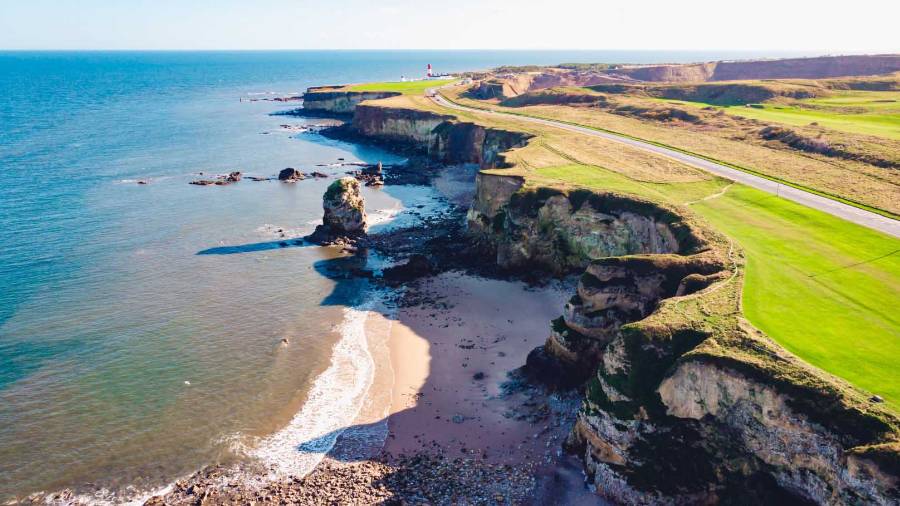
aerial view of cliffs overlooking the shoreline

Why travel insurance matters for short breaks

When you’re planning a trip for a bank holiday weekend, travel insurance might not be the first thing on your mind. But it can make the difference between a minor hiccup and a major financial loss.

Even short breaks can run into problems. Missed flights, lost luggage, stolen passports or sudden illness can quickly ruin a weekend away. Travel insurance is there to give you financial protection and peace of mind.

It might be tempting to risk a European trip without insurance, for instance, thinking a short break won’t matter. But even a simple accident can result in thousands of pounds in costs, which travellers then have to pay out of their own pocket.

Choosing a policy with good coverage before you go might safeguard against issues like these.

  • Medical expenses: If you fall ill abroad, medical bills can add up fast. A short hospital stay in Europe can cost hundreds of pounds. Emergency treatment or repatriation to the UK can cost thousands. Insurance may help cover these costs, so you’re not left facing an unexpected bill
  • Trip cancellation: If illness, accidents or family emergencies stop you travelling, cancellation cover may help you recover the money you’ve already spent on flights, hotels and tours
  • Lost, damaged or stolen belongings: Having your phone, wallet or passport stolen, damaged or mislaid is disruptive and often expensive. Insurance may help replace essential items
  • Travel disruption: Delayed flights, missed connections and airline strikes are stressful. With the right policy, you can reclaim costs for missed accommodation or rearranged transport
  • Personal liability: If you’re held legally responsible for accidentally injuring someone or damaging property while abroad, insurance can help cover legal and compensation costs

Read about why you shouldn’t travel without insurance

What is a Ghic and why do you need one?

If you're going on holiday to a country in European Economic Area (EAA), it's a good idea to take a Global Health Insurance Card (Ghic) or a valid European Health Insurance Card (Ehic) if you still have one.

If you get sick or hurt while you're away, they help you get medical care in the EAA and, depending on the card, some other countries. You’ll be treated like someone who lives there. That means:

  • Sometimes the care is free
  • Other times, you might pay less than you would without one

It’s free to get a Ghic on the NHS website It lasts for five years. But it doesn’t cover everything:

  • It won’t pay for private hospitals or clinic
  • It won’t pay to fly you back home if you’re really sick (called repatriation
  • It won’t cover things like lost luggage, missed flights or stolen stuff

So, while the Ghic is important to have, you still need travel insurance to be fully protected.

Read more about Ghic and what it does and doesn’t cover

Travel insurance for UK trips

Travel insurance can also be valuable for holidays in the UK. While you can access the NHS for medical and healthcare needs, a policy may still cover you for the following, up to the policy limits.

  • Cancellations: For instance, if you book a cottage, hotel or package break and can’t travel due to illness, injury or emergencies
  • Stolen belongings: Such as money or jewellery taken from a hotel room or car
  • Travel disruption: Trains cancelled, ferries delayed or severe weather affecting your trip

Make sure you research different policies to find the cover that best suits you. Check if policies have a minimum night's requirement before they’ll cover UK breaks.

Read more about whether you need travel insurance for a UK break

A couple of women taking a selfie against a city backdrop

Bank holiday travel: We can help with that

Travel insurance is one of several important ways Post Office can help make your bank holiday trip easier.

We also offer these services to prepare you for a smooth journey and hassle-free break, whether abroad or at home.

Travel money

Ordering your currency before you travel means you’re ready to spend the moment you land. With competitive exchange rates and the ability to pre-order online, you can collect from your nearest branch before your trip. It saves time at the airport and avoids high withdrawal fees abroad.

Travel Money Card

The Post Office Travel Money Card is a prepaid card you can load with up to 22 currencies. It’s safer than carrying large amounts of cash and makes it easy to budget. You can top it up online or via the free travel app. And if it’s lost or stolen, you can block it and request a replacement.

  • Accepted at millions of locations worldwide wherever the Mastercard® Acceptance Mark is displayed
  • Lock in exchange rates when you load
  • Withdraw cash from ATMS daily. Cash withdrawal limits and fees apply
  • No link to your personal bank account, adding an extra layer of protection

Find out how prepaid currency cards work or get your Travel Money Card now.

Passports

Bank holidays are a popular time to travel, but many people leave renewing their passport until the last minute. Post Office branches offer a convenient passport check and send service to help you avoid delays. Some branches also provide digital photo services that meet strict HM Passport Office standards.

eSIMs

Using your phone abroad can be expensive. You can get a Post Office Travel eSIM that keeps you connected for your holiday essentials like contacting people back home, maps, apps and more. Choose your destination and how much you want, from 1GB to unlimited data bundles, valid for up to 30 days.

Are Post Office branches open on bank holidays?

Some close, some open. In fact, many branches now open in the evenings, on weekends and even on bank holidays. Check the branch finder to find branches that are open near you.


Key takeaways

  • The number of UK bank holidays varies between 8 and 10 a year
  • They’re perfect for taking short breaks in European cities or around the UK
  • Travel insurance provides essential protection on all trips taken abroad useful for UK breaks too
  • Post Office travel services make trips easier, from travel money, as cash or on card, to insurance, passports and eSIMs

Enjoy every trip with cover you can count on

Common questions

  • It depends on when you’re reading this. You can check the official lists of dates for all upcoming bank holidays in all UK nations on GOV.UK

  • In England, Wales and Northern Ireland it’s the last Monday in August. In Scotland it’s the first Monday in August.

  • No, but Good Friday and Easter Monday are.

  • No, only Christmas Day and Boxing Day are bank holidays. After that, it’s New Year’s Day.

  • Some branches are but others aren’t. Please use the branch finder to find those near you that open when you need them.

  • Read more
  • No, Mother’s Day isn’t a UK bank holiday. Neither is Father’s Day.

  • No, the monarch’s birthday isn’t currently a bank holiday.

  • Yes. If it falls on a weekend, the next weekday is the substitute.

  • Occasionally the government declares one-off holidays, for example for royal jubilees.

Related travel products

  • Foreign currency

    Order travel money online or in selected branches. Pick up in any branch or get it delivered to your home

  • Travel money card

    The savvy way to spend abroad. One prepaid Mastercard® you can top up any time with up to 22 currencies

  • Passport Check & Send

    Get your passport application right the first time. We can even complete and submit it for you digitally

Post Office Travel Money Card is an electronic money product issued by First Rate Exchange Services Ltd pursuant to license by Mastercard International. First Rate Exchange Services Ltd, a company registered in England and Wales with number 4287490 whose registered office is Botanica Ditton Park, Riding Ct Rd, Datchet, SL3 9LL (Financial Services Register No. 900412).

Mastercard and the circles design are registered trademarks of Mastercard International Incorporated.