In this guide:

What is an exchange rate?
In travel money terms, an exchange rate is the price of one currency compared to another. For example, when you buy euros, if £1 equals €1.15 that means you get €1.15 for every pound you exchange.
Rates move all the time. This is because supply and demand for currencies change across global markets. If lots of people want a currency, its value tends to rise. If demand drops, it can fall.
What makes exchange rates go up and down?
A few key things affect the exchange rate you see:
- Interest rates: Higher rates can make a currency stronger
- Inflation: Lower inflation tends to boost a currency
- Economic stability: Strong economies attract more buyers
- Global events: Political changes or crises can shift demand fast
- Tourism demand: Popular destinations can see seasonal swings
You won’t need to track all of this. But it explains why rates can change between when you plan your trip and when you buy your travel money.
Why exchange rates matter when you travel
Exchange rates have a direct impact on your holiday budget. A small change can make a noticeable difference to what you can afford.
Let’s say you’re exchanging £1,000:
- At €1.15, you get €1,150
- At €1.10, you get €1,100
That’s €50 less to spend, just from a small shift in the rate. This is why timing when you buy travel money matters and why locking in a rate can be useful.
Take travel money as cash, on a card or both
How do exchange rates work for cash currency?
When you buy foreign cash, the rate you get is set by the provider. This isn’t the same as the “interbank rate” you may see online. That’s the rate banks use when they trade with each other. Retail rates will be a bit different.
What you pay for
When buying cash, the exchange rate usually includes the cost of:
- Handling physical money
- Transport and security
- Storage and distribution
- Business costs
So the rate offered reflects more than just the market rate. This is why you’ll tend to see better rates online than in physical locations like Post Office branches (though we make sure those rates are competitive too).
What affects the rate you’re offered?
When you buy cash, your rate can vary depending on:
- Where you buy: Airport exchange desks often offer weaker rates
- How much you buy: Larger amounts can sometimes get better rates
- Timing: Rates change daily
- Delivery or collection options: Some services bundle costs into the rate
How it works with Post Office Travel Money
With Post Office Travel Money, you can:
- Order foreign currency online and in selected branches
- Lock in your rate when you order
- Collect in any branch or choose delivery to your home
- Selected branches also keep popular currencies in stock for walk-in orders
This means:
- You know exactly how much currency you’ll get
- Your rate won’t change after you order
- You can avoid last-minute decisions when you’re under time pressure
Planning ahead gives you more control. You’re not at the mercy of whatever rate is available on the day you travel.
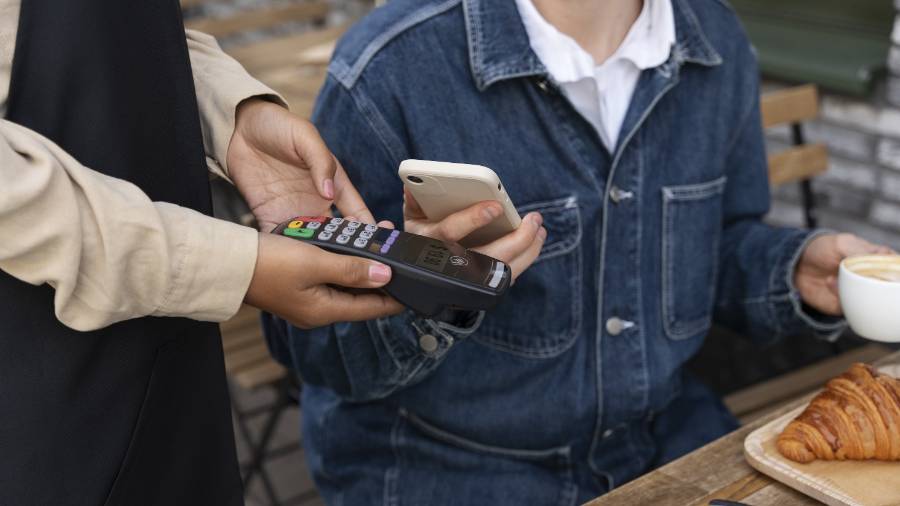
How do exchange rates work for prepaid currency cards?
A prepaid travel card works differently to cash. You load currency onto the card in advance, often in one or more currencies. This gives you more flexibility when spending abroad.
When the exchange rate applies
There are two common ways rates work with prepaid cards:
- At the point you load the card: You exchange money upfront and lock in the rate
- At the point you spend: The currency converts when you make a payment
Some cards use a mix of both, depending on how you use them.
Why this matters
The timing of the exchange rate affects how much you have to spend:
- Locking in a rate means you know upfront
- Waiting can mean better or worse value depending on what the rate does
- You avoid surprises if it moves suddenly
How it works with a Post Office Travel Money Card
With a Post Office Travel Money Card, you can:
- Load up to 22 different currencies before you travel
- Lock in exchange rates at the time of loading
- Get a rate based on your total order value
- Spend abroad without needing cash for every purchase
What this means for you:
- You’re protected if exchange rates drop after you load your card
- You can check balances and track spending in the free travel app
- It reduces the need to carry large amounts of cash
If you run low on funds, simply top up again. That gives you flexibility while you’re away.
What is dynamic currency conversion?
You might see a choice when paying abroad. Pay in pounds or pay in the local currency.
This is called dynamic currency conversion. It sounds helpful but it can affect the rate you get.
How it works
When you choose to pay in pounds:
- The retailer or ATM converts the price into GBP
- They apply their own exchange rate
This rate is often less favourable than the one your card provider would use.
What’s usually better?
In most cases, it’s better to pay in the local currency. This lets your card provider handle the conversion. You’ll normally get a better rate.
If you’re unsure, take a moment before you tap your card. That quick choice can make a difference.
How to get a better exchange rate
You can’t control the market. But you can make simple choices that help you get more for your money.
Simple ways to improve your rate
- Buy early: Don’t leave it until the airport
- Watch the rate: If you see a good rate, consider locking it in
- Avoid last-minute exchanges abroad: These often come with worse rates
- Split your travel money: Use both cash and a prepaid card
- Pay in local currency when abroad: This can help avoid poorer conversion rates
- Plan your budget in advance: It’s easier to spot a good rate when you know how much you need
These small decisions add up. And they can give you more spending power while you’re away.
With Post Office Travel Money you’ll get competitive rates in branch and online. The rate gets better the more you buy and our best rates are available online.
Key takeaways
- Exchange rates show how much foreign currency you get for your money
- Rates change often due to global demand and economic factors
- Cash rates include costs like handling and transport
- Prepaid travel cards can lock in rates before you spend
- Paying in local currency abroad can help you avoid worse rates
- Planning ahead helps you get more value for your money
Get travel money for your trip sorted
Common questions
-
There’s no perfect moment, but buying early to lock in favourable rate can help.
-
Both have their place. Cash is useful for small payments, while cards are safer for larger spends.
-
Yes. They can change frequently, even within the same day and as often as hourly.
-
Rates can move up or down. Locking in a rate protects you from future changes.
-
It’s the rate banks use when trading currencies with each other. It’s usually better than retail rates. Online rates are often the interbank rate and better than branch rates, as they don’t have the costs of providing currency exchange in physical locations like branches.
Our travel services
-
Passports
Order your first adult or child passport or renew an existing one. Get your application right the first time
-
Travel insurance
Go protected with a choice of cover for single, multiple and backpacker trips plus options to tailor your policy
Other travel services and guides

10 money and travel scams to avoid on holiday
Scammers are getting smarter, but you can stay one step ahead of them on your holiday by knowing what tricks and traps to watch out for.

Budgeting and planning for travel in your gap year or career break
Taking a gap year or a career break is an exciting opportunity to explore the world, experience new cultures and make memories to last a lifetime. But there’s a lot to think about, and careful planning and budgeting are essential.

Avoid dynamic currency conversion
To avoid currency conversion fees abroad, always choose ‘local currency’ whether you’re withdrawing cash from an international ATM or spending on a prepaid travel money card.

How to plan a European city break on a budget
Looking for affordable European cities to explore? With the right planning around flights, accommodation, activities, currency and more, you can make this a reality.

European road trip ideas and itineraries
Find the best European road trip routes for an amazing adventure. This guide shares simple tips and different routes, starting from London, Manchester or Dover.

Best European Honeymoon destinations: popular spots and planning tips for newlyweds
One honeymoon countless countries and cultures to explore. Whether you’re craving adventure or paradise, history or culinary delights, Europe has it all.

Holiday Money Report 2025
Find the best-value holiday destinations for 2025. Read our report on holiday costs around the world.

Holiday Spending Report 2025
Two-thirds of us are planning to swap grey skies for sunny shores this year. But many UK holidaymakers are feeling the squeeze when it comes to their holiday budgets.

Post Office Travel Money Ski Report 2026
Discover the best value European ski resorts for adults and families of four.

Christmas Markets Report 2025
Thinking about a quick festive getaway? The Baltic capitals are the best value places in Europe for Christmas markets, based on our latest research.

Choosing the right card for spending abroad
Credit, debit or prepaid travel cards? Using the right card when you’re abroad could save you money and help your holiday funds go even further.

How early should I get to the airport?
Worried about missing your flight? Arrive too late and queues can cost you. Get there too early and you’re left waiting around longer than you need to.

Holiday essentials: what to sort 3 weeks, 2 weeks and the week before you travel
Your holiday’s getting close. The two to three weeks before you go is when your travel essentials need to come together.

Free yourself from the hassle of cash at festivals
One of the joys of summer are the many music festivals playing across the globe. If you’re hitting the festival circuit overseas, managing your money can be a headache.

Travelling to major sporting events abroad: travel money, planning and tips
Going abroad for a big sporting event is exciting but often more demanding than a typical holiday. Fixed match times, crowded cities and increased prices can quickly turn minor issues into big headaches. And all the goals, celebrations and match-day atmosphere can make it easy to bust your travel budget.

Where and how much to tip abroad
Understanding if and how to tip when you’re travelling can be tricky, especially with different customs around the world.

How to plan a road trip
Looking to do some road tripping in the UK or abroad? Plan everything from budgeting to routes to make it a seamless experience.

Prepaid currency cards and how to use them
Prepaid currency cards are a secure way to make purchases on trips abroad. They can be a handy alternative to paying with cash and debit or credit cards.

Long Haul Holiday Report 2025
UK holidaymakers looking for a winter sun bargain will find the best value in the Far East and Indian subcontinent, according to this year’s Long Haul Holiday Report.

City Costs Barometer: the best cheap and most expensive city breaks for 2026 compared
Compare cheap city breaks and more expensive European cities using real travel costs insights. Find out where your money goes furthest and plan what you’ll spend before you go.

Savvy holiday spending with the Post Office travel app
Travel smarter with the Post Office travel app. Paired with a Travel Money Card, it’s your ultimate holiday money manager – and more.

Road trip essentials: Your guide to stress-free travel
Thinking of doing a road trip in the UK or abroad? What you bring and how you plan can make a big difference between an amazing adventure or a bumpy ride.

Travel money: How to make the most of your money on holiday
Jetting away? Don’t forget your travel money. Whether you’re planning to pay with foreign currency, a prepaid travel card or both, getting savvy about your spending could help save time and money.

Cheapest countries to visit in Europe: a travel money guide
Europe can offer real value if you know where to look. This guide compares some of the cheapest countries to visit on the continent, the currencies they use and how to plan your travel money before you go.

Best party holiday destinations in Europe: top islands, cities and how to pay
Looking to plan your ultimate party escape but can’t decide between big clubs and DJs or long, chilled beach days with bar-lined streets full of music and late-night partying?

Family Holiday Report 2026: Best value and most expensive family breaks revealed
Find out where your money could go furthest on a family holiday in 2026. Compare popular beach spots, check what can push up costs and plan your spending before you go.

Motoring on the Continent Report
If you’re driving in Europe this year, Andorra’s your best bet for the cheapest fuel. That’s according to our latest report on fuel prices in the continent’s holiday destinations.

Winter Sun Report 2026: Best value winter sun destinations compared
See which winter sun destinations offer the best value in 2026.

Best city breaks within a 3-hour flight of the UK
You don't need to fly halfway around the world for a memorable break. Some of Europe's best cities are less than three hours from the UK.
Post Office Travel Money Card is an electronic money product issued by First Rate Exchange Services Ltd pursuant to license by Mastercard International. First Rate Exchange Services Ltd, a company registered in England and Wales with number 4287490 whose registered office is Botanica Ditton Park, Riding Ct Rd, Datchet, SL3 9LL (Financial Services Register No. 900412).