Our picks for the cheapest European countries to visit
These destinations offer strong value for money while still giving you a full holiday experience. From city breaks to beach trips, you’ll find plenty to do without overspending.
Poland
Currency: Polish złoty
Poland is one of the easier ways to enjoy Europe on a budget. Kraków, Warsaw and Gdańsk offer history, culture, nightlife and good food at lower costs than many eurozone cities.
Local meals and public transport can help keep daily spending down. Ordering Polish złoty before you go can also make it easier to plan how much you want to spend each day.
Hungary
Currency: Hungarian forint
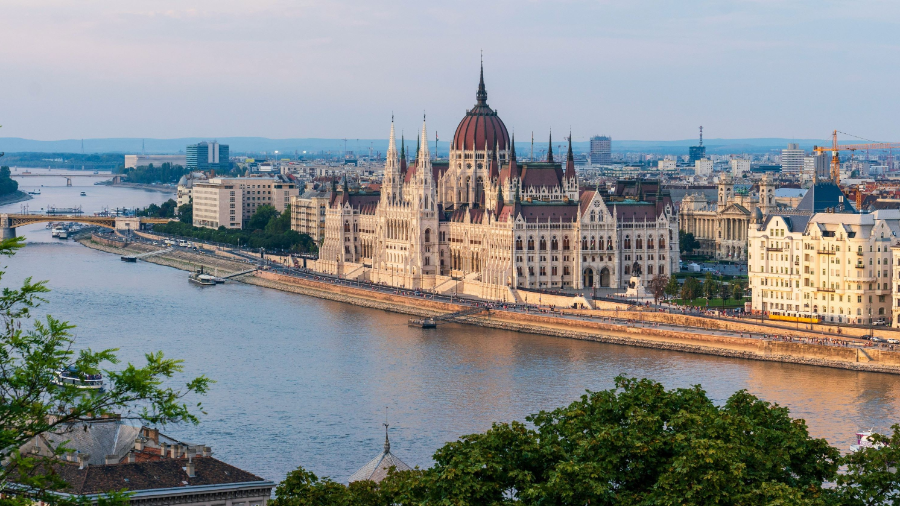
Budapest is one of Europe’s best-value city breaks. You get grand buildings, river views, thermal baths and lively food spots without the higher costs of many other capital cities.
Use markets, bakeries and public transport to keep costs down. Hungary uses the Hungarian forint, so it’s worth taking some local cash for smaller spends.
Czech Republic
Currency: Czech koruna
Prague can still be affordable if you plan well. Prices are higher near the Old Town Square and Charles Bridge, but the wider city gives you more ways to manage your budget.
Choose local places to eat, use public transport and look for free walking routes, viewpoints and historic streets. The Czech Republic uses Czech koruna, so you’ll need local currency for some cash spending.
Bulgaria
Currency: Euro
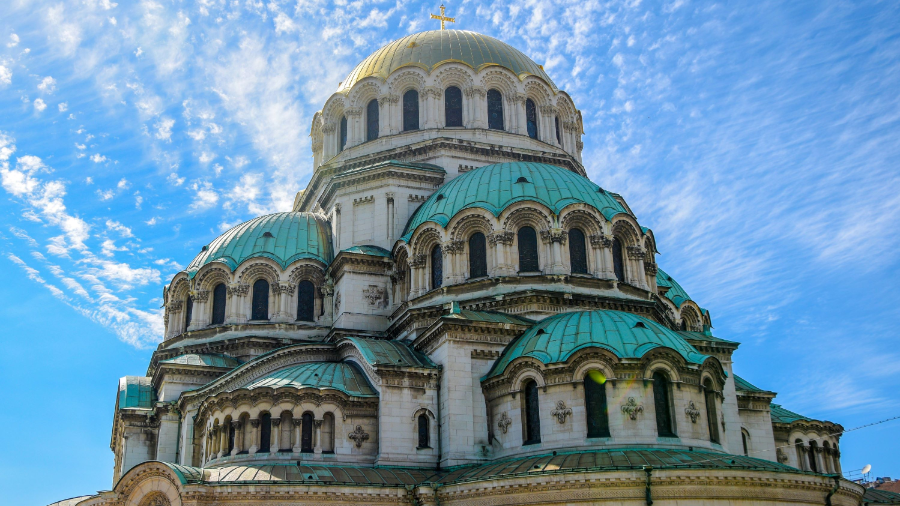
Bulgaria is often one of the better-value countries in the EU, with beach holidays, ski trips and city breaks all in reach.
Food and transport are often cheaper than in many parts of western Europe. Bulgaria uses the euro, which can make travel money planning simpler if you’re visiting other eurozone countries too.
Portugal
Currency: Euro
Portugal is one of the cheaper countries to visit in western Europe, with coast, culture and food at better value than many nearby destinations.
For lower costs, try Porto, coastal towns or smaller places outside the busiest areas. Local restaurants, bakeries and public transport can help your euros go further.
Greece
Currency: Euro
Greece can offer strong value if you plan carefully. Some islands are expensive in peak summer, but many places cost less outside July and August.
For better value, look at mainland towns, coastal cities, smaller islands and quieter resorts. Ordering euros in advance can help you set a budget before you go.
Albania and North Macedonia
Currency: Albanian lek and Macedonian denar
Albania and North Macedonia are strong budget choices if you want something a little different. They’re often cheaper than more established European destinations and can offer good value if you plan your route well.
Albania offers beaches, mountains, food and historic towns at lower prices than many Mediterranean spots. North Macedonia is good for lakes, scenery, culture and low daily costs.
You may need to exchange or withdraw local currency when you arrive, especially outside larger towns and tourist areas.
Cheap doesn’t always mean best value
The cheapest country isn’t always the right holiday for you. Albania may cost less day to day than Portugal. But Portugal may have more direct flights from your nearest UK airport. Greece may cost more in August but feel much better value in May or September. Poland may be cheaper for a city break than a beach holiday elsewhere.
So it helps to ask three questions:
- What kind of holiday do you want?
- How much do you want to spend once you’re there?
- How easy and affordable is it to get there?
The best-value trip is the one that gives you what you want without pushing your budget too far.