European road trip ideas and itineraries

Find the best European road trip routes for an amazing adventure. This guide shares simple tips and different routes, starting from London, Manchester or Dover.

Whether you love food, culture or beautiful places, you'll get useful suggestions and fun ideas to help make your road trip easy and unforgettable.

Last updated: 23/1/2026

Two people sitting in the back of a parked car looking at a map

Your perfect European road trip 

A European road trip is an adventure you’ll never forget. Picture driving onto a ferry or the Eurotunnel and, soon after, having breakfast in a French café or cycling beside Dutch canals. 

Each country has its own tasty food, different languages and special roads leading to amazing places. This guide from Post Office Travel Money gives ideas for road trips starting from Dover, Manchester and London. Trips from Northern Ireland, Scotland or Wales might take longer to reach Europe, but they’re worth it. 

No matter where you start, there’s a road trip for you. In this guide, you’ll find itineraries to suit all kinds of interests and tips on planning a trip that fits your time and budget.  
Planning your road trip in Europe 

Time and budget planning 

Decide what you care about most for your trip: tasty food, pretty views, lively cities or quiet beaches. Focus on things you really want to see instead of trying to visit too many places. 

  • If you have little time, pick fewer countries and spend longer at each stop so you can enjoy them without rushing 

  • If you want to save money, stay somewhere with a kitchen and buy food from local shops. Treat yourself to one or two special meals 

  • If you’ve got lots of time, plan days where you don’t drive and use smaller, scenic roads instead of main motorways 

How to make your road trip plan 

Choose your starting and finishing points. Then pick the main places you want to visit along the way. Look up ideas online, in travel guides or ask AI chat apps to suggest routes. Try to drive for no more than six hours a day so you don’t get too tired. Read our road trip planning guide for more tips. 

Can I plan a road trip on Google Maps? 

Navigation apps like Google Maps are great for planning routes and timings, but they can’t predict real-life delays. Always allow an extra 20-30% for breaks, traffic and stops to enjoy the scenery. Watch out for mobile data roaming charges, too. Some apps let you download maps to avoid using data. Or use a travel eSIM to save on costs. 

May, June, September 

The perfect time to go. The weather’s lovely, the roads aren’t too busy and everything’s cheaper than in July and August 

July and August 

Peak season. More expensive and crowded. But the weather’s reliably warm 

April and October 

Can be beautiful but you might get some rain, so bring some layers 

November to March 

Some coastal places shut down but cities are lovely (and cheap). Christmas markets in December are magical 


What kind of car is best for a European road trip? 

Something reliable, comfortable and not too big. European towns have narrow streets and tiny parking spaces. A small-to-medium car with good fuel economy is perfect. Make sure it has enough space for luggage and people without being cramped. 

Get cash currency and Travel Money Card for your trip  

Road trip itineraries from Dover 

Dover offers the fastest route to Europe. Just two hours after landing, you could be sampling Belgian chocolate in Bruges or relaxing by a canal. 

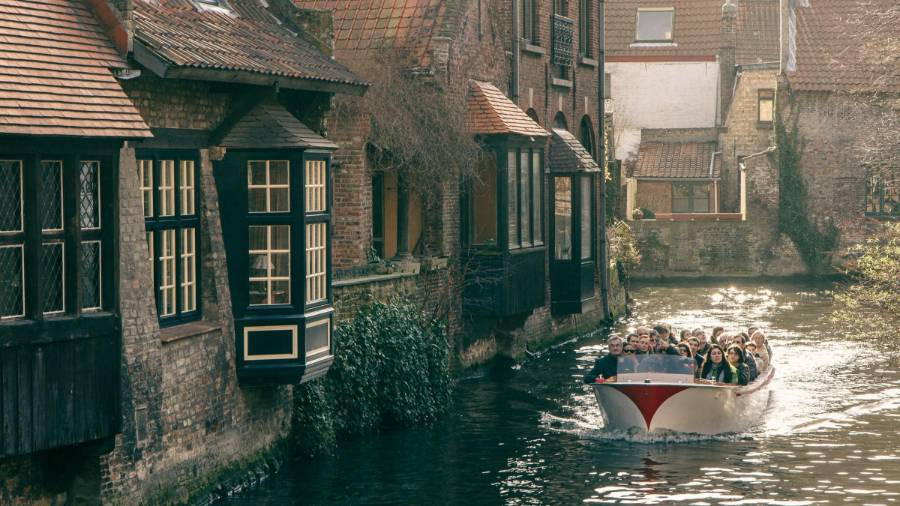
A group of people in a boat on a narrow canal behind old buildings

Bruges and Ghent (3 days) 

Best for: A magical weekend away. Bruges enchants with its storybook scenery of cobbled streets and pointy-roofed houses. Ghent offers vibrant street art and medieval towers reflected in the canals. 

  • Day 1: Dover → Calais → Bruges (2-3 hours). Arrive late afternoon and enjoy an evening canal tour as the city glows 

  • Day 2: Bruges (no driving). Savour waffles, browse lace shops, climb medieval towers and discover hidden courtyards on quiet walks 

  • Day 3: Bruges → Ghent (1 hour). Ghent is less touristy, with a lively student vibe, a central castle and excellent food. Return via Calais 

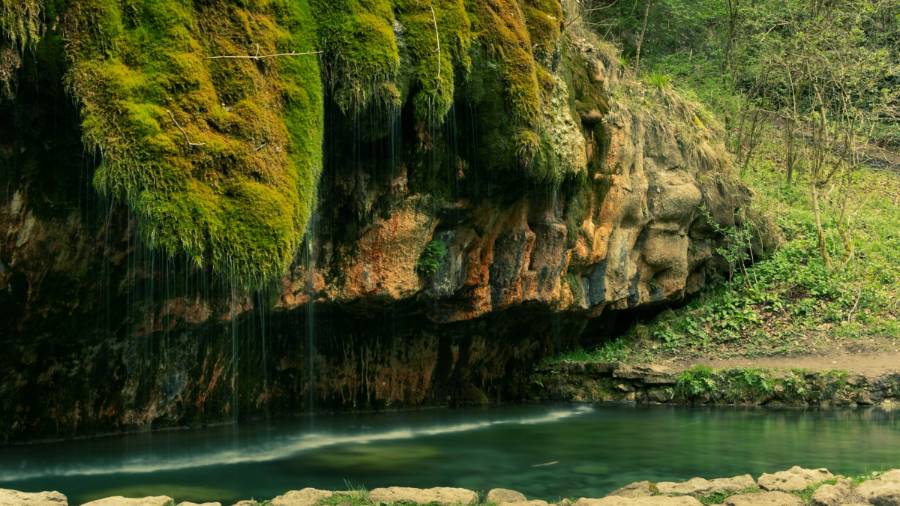
Moss-covered rock with thin streams of water dripping into a clear pool in a forest

Hiking and history route: Luxembourg’s trails and castles 

Best for: Outdoor adventure, hiking and stunning scenery. Luxembourg’s woodlands, rocky valleys and lakes offer a haven for outdoor enthusiasts and history lovers, with fairytale castles dotted throughout 

  • Day 1: Dover → Calais → Luxembourg City (6-7 hours). Reach the capital as the city lights begin to glow. Stroll through the old town and admire its historic fortifications and lively squares 

  • Day 2: Luxembourg City → Mullerthal (1 hour). Set out for Mullerthal (‘Little Switzerland’). Hike along dramatic sandstone rock formations, lush woodland trails and admire Schiessentümpel waterfall. Enjoy a picnic amid nature or visit a village café 

  • Day 3: Mullerthal → Echternach (30 mins). Start with a lakeside walk in Echternach, then visit its ancient abbey. Explore medieval streets and enjoy the tranquil atmosphere of Luxembourg’s oldest town 

  • Day 4: Echternach → Vianden (1 hour) → Luxembourg City (1 hour). Head to Vianden for a tour of its hilltop castle and views of the Our valley. Return to Luxembourg City for your journey home or a final evening out 

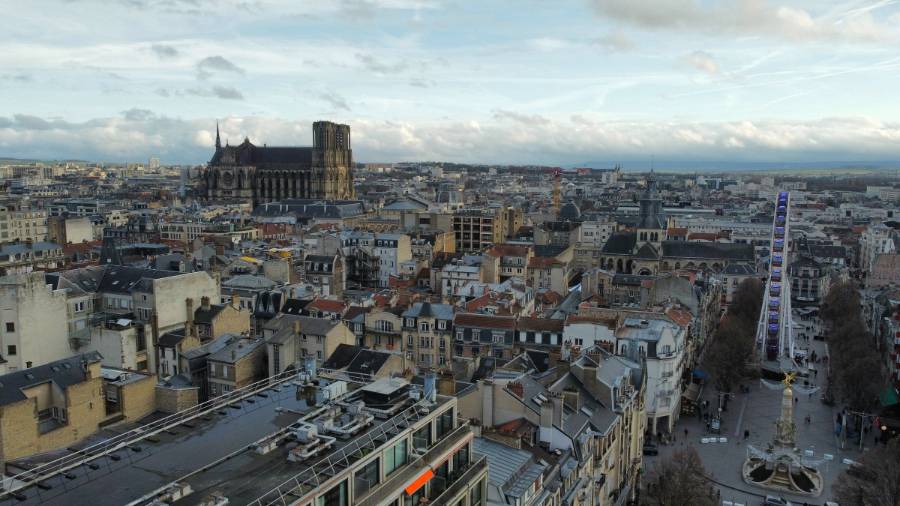
 Aerial view of a city from the top of a building, with a cathedral and a Ferris wheel in the distance

Wine and history route: Reims and Verdun 

Best for: Scenic drives, grand estates, wine tasting and quiet reflection. Expect tree-lined avenues, lakeside châteaux and sweeping vineyards 

  • Day 1: Dover → Reims (4-5 hours). Cross the Channel and head straight to Reims, the heart of Champagne country. Wander grand boulevards. Tour famous Champagne houses. And marvel at its Gothic cathedral 

  • Day 2: Reims → Verdun (1.5 hours). Drive east through rolling vineyards. Visit the Verdun Memorial, explore preserved wartime trenches and forts, and reflect on the legacy of the Great War. Enjoy an evening stroll along the Meuse river 

  • Day 3: Return to Dover. Take time for a scenic detour through picturesque countryside or a stop at a vineyard for one last tasting 

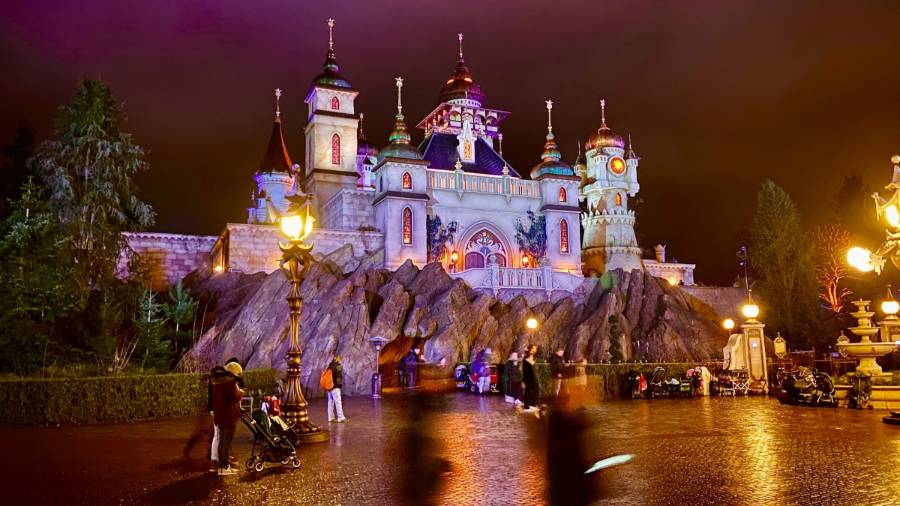
Fairytale-style castle lit up at night with glowing lamps and visitors walking by

Family-friendly road trip: Dutch theme parks and nature (4-5 days) 

Explore canal cities, tranquil forests, magical fairytale theme parks and more as a family. 

  • Day 1: London → Calais → Rotterdam → Utrecht (7-8 hours). Explore Rotterdam’s modern architecture. Then wander Utrecht’s canals lined with cafés and quirky shops. Break up or share the long drive. Or add a day and spread out the trip 

  • Day 2: Utrecht → Efteling Theme Park (1 hour). Spend the day at Efteling, where fairytales come alive through rides, shows and woodland walks 

  • Day 3: Efteling → Hoge Veluwe National Park (1 hour). Pedal free white bikes through forests and heath. Visit the hidden Kröller-Müller Museum with its stunning Van Gogh collection 

  • Day 4: Hoge Veluwe → Delft → Calais (4-5 hours). Stroll Delft’s historic centre, famous for blue pottery and pretty canals, before heading home 

Road trip itineraries from London 

From London, take the Eurotunnel and be in France in 35 minutes. Or head to a port like Dover to catch a ferry. Either way, France and Belgium are close enough to feel easy and relaxed. 

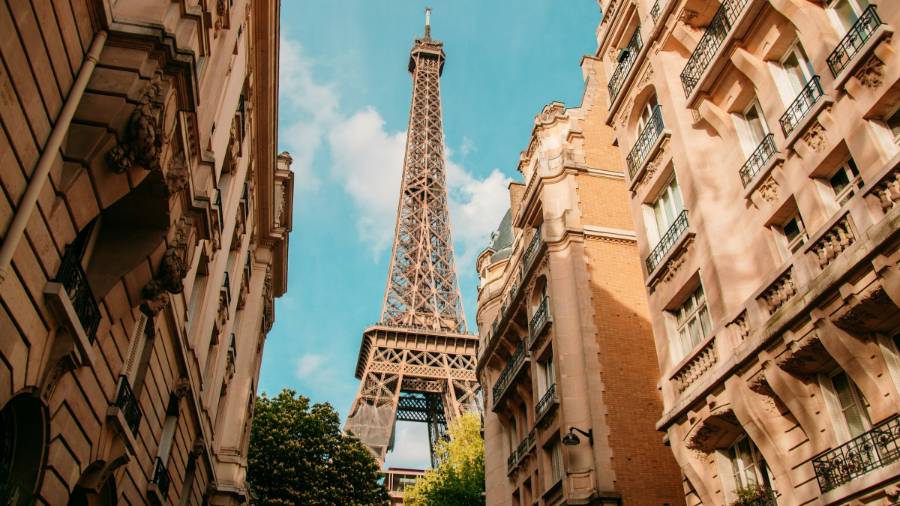
Looking up at Eiffel Tower in Paris from between two rows of buildings during daytime

Highlights-focused route: Paris and Champagne (4 days) 

Best for: First-timers, couples and lovers of culture and food. Drive past vineyards and towns scented with fresh bread. In Paris, the Seine sparkles at night and cafés each have their own character 

  • Day 1: London → Calais → Reims (5 hours). Take an early ferry for quiet roads. Reims’ cathedral dominates the skyline. In the evening, enjoy champagne and tartine at a local bar 

  • Day 2: Reims → Épernay → Paris (3 hours). Drive the Route Touristique du Champagne through rolling vineyards. Stop on Avenue de Champagne in Épernay before heading to Paris 

  • Day 3: Paris (no driving). Focus on one area, like Montmartre’s artists or the Marais’ hidden courtyards and street food 

  • Day 4: Paris → Rouen → Honfleur (3 hours). Rouen’s half-timbered houses lean in close. Reach Honfleur’s harbour for dinner by the water. Moules-frites is the local favourite 

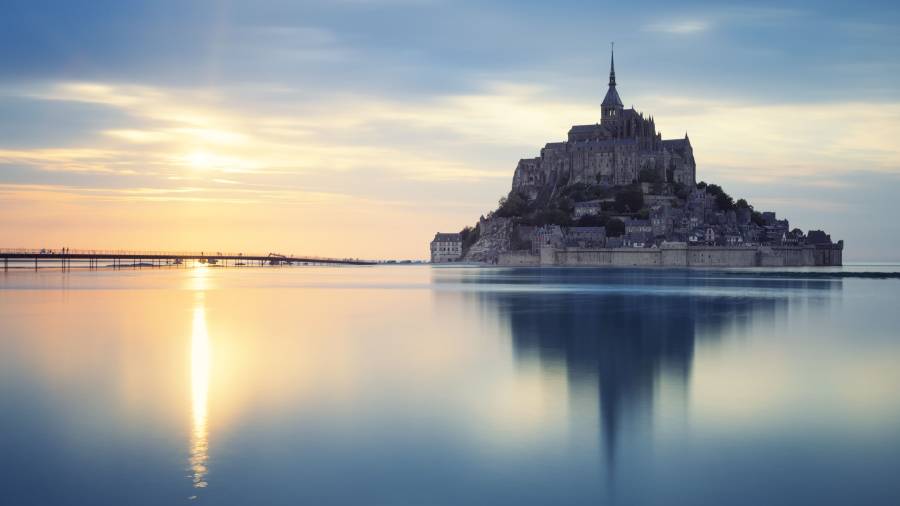
Rooves and spires of Mont Saint-Michel on a rocky island surrounded by water. Sunset reflects in the water

Slow travel option: Normandy coast with scenic stops (5 days) 

Best for: family discovery, leisurely mornings and history lovers. Normandy’s coast features dramatic cliffs and shifting light. Bayeux is peaceful and famed for its tapestry, while Saint-Malo’s fortress overlooks the sea. 

  • Day 1: London → Dover → Calais → Le Touquet (4-5 hours). Pine forests meet sand dunes. The air smells of salt and waffles 

  • Day 2: Le Touquet → Étretat → Bayeux (4 hours). Étretat’s white chalk arches rise above deep blue water. Drive through apple-lined country lanes to Bayeux 

  • Day 3: D-Day beaches (local driving). Visit long beaches and museums. Reflect in quiet spots 

  • Day 4: Bayeux → Mont-Saint-Michel → Saint-Malo (2-3 hours). Mont-Saint-Michel abbey sits on a tidal island. At low tide, you can walk across the sand with a guide. Arrive late afternoon for soft light and fewer crowds 

  • Day 5: Saint-Malo → Honfleur → Calais (3 hours). Walk Saint-Malo’s walls, eat galettes, then finish in peaceful Honfleur 

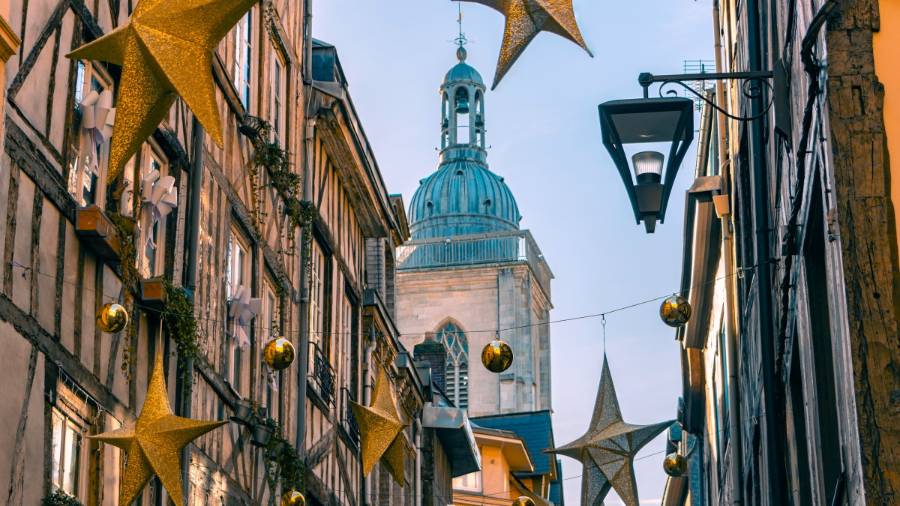
Narrow street with timber-framed buildings decorated with golden stars and a church dome in the background

Activity-based itinerary: Food tour in northern France (3 days) 

Best for: Eating your way from market to market. 

Perfect for market-hopping foodies. Stalls brim with fresh fruit and Rouen’s winding lanes are lined with bakeries and cafés offering daily specials. 

  • Day 1: Calais → Dieppe (2 hours): Dieppe’s seafood is fresh. Try fish soup with rouille and croutons 

  • Day 2: Dieppe → Rouen (1 hour): Admire Rouen’s Gothic cathedral, enjoy a fresh lunch menu, and sample pastries 

  • Day 3: Rouen → Pays d’Auge → Honfleur (2 hours): Visit cider farms in apple country, picnic under the trees, and buy bottles to take home 

Road trip itineraries from Manchester 

The overnight ferry from Hull to Rotterdam is a great way to travel. Drive onto the ship in the evening, have dinner on board, then wake up in the Netherlands ready to explore. It’s like a mini-cruise. 

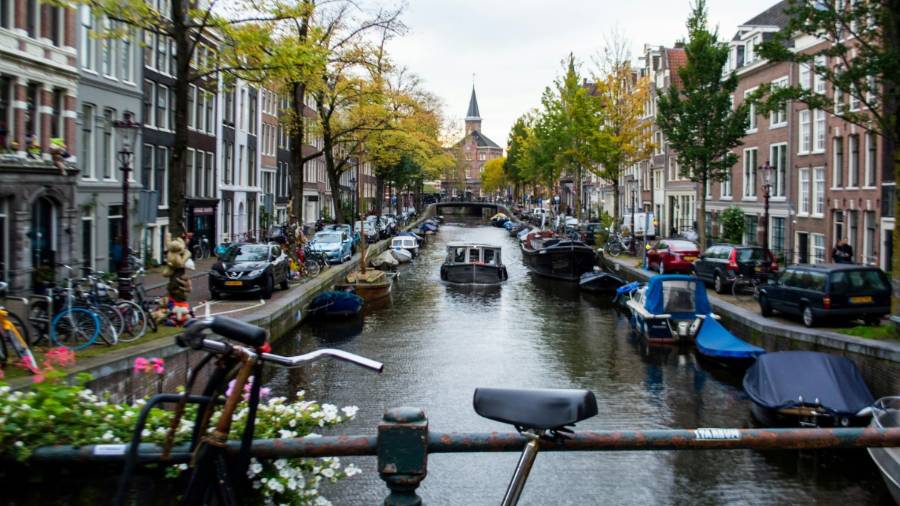
Canal in Amsterdam lined with houses, boats and bicycles on a bridge

The Netherlands and coastal cities (5-6 days) 

Ideal for first-timers, cyclists and beach lovers. The Netherlands is flat, easy to drive and famous for its bikes, big skies and soft, sandy Scheveningen beach scented with chips and seaweed. 

  • Day 1: Manchester → Hull or Newcastle. Take an overnight ferry. Board in the afternoon, eat dinner, then sleep while crossing the North Sea 

  • Day 2: Arrive Rotterdam → Amsterdam (1-2 hours). Rotterdam’s unique modern buildings are worth a look, but Amsterdam’s canals and houseboats steal the show 

  • Day 3: Amsterdam (no driving). Park up and explore by bike or on foot. Enjoy pancakes and stroll friendly streets 

  • Day 4: Amsterdam → The Hague → Scheveningen (1-2 hours). The Hague’s galleries are peaceful; Scheveningen beach is perfect for sandcastles and chips 

  • Day 5: Scheveningen → Utrecht → Rotterdam (2-3 hours). Utrecht’s canals are lined with waterside cafés. The compact centre is ideal for a relaxed afternoon 

  • Day 6: Return ferry. Watch the Dutch coast fade, sleep your way home 

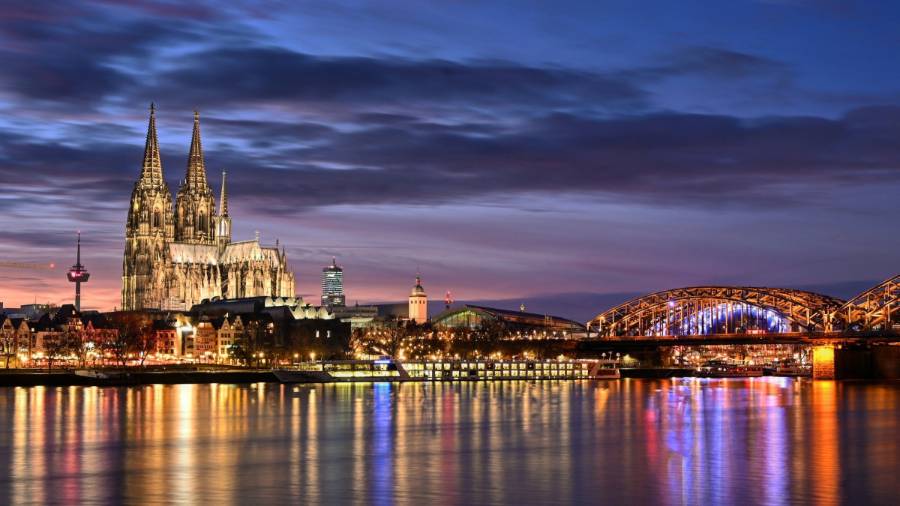
Lighted city buildings near body of water, including a cathedral with twin spires and a bridge spanning the water

Cologne and Luxembourg (6-7 days) 

Best for: Castles, rivers, green hills. The Rhine sparkles, vineyards line steep hills and Luxembourg’s green gorges offer peace. 

  • Day 1: Overnight ferry from Hull 

  • Day 2: Rotterdam → Cologne (3 hours). Cologne’s cathedral is vast, and the city hums with music and the scent of waffles 

  • Day 3: Cologne → Cochem (1-2 hours). Cochem’s fairy-tale castle overlooks the river and charming old town 

  • Day 4: Cochem → Trier (1-2 hours). Trier’s Roman heritage and cobbled squares feel timeless 

  • Day 5: Trier → Luxembourg City (1 hour). Luxembourg sits on cliffs with stunning views and plenty of parks 

  • Day 6: Luxembourg → Reims (2-3 hours). Cross into France for dinner among champagne vines 

  • Day 7: Reims → Calais → home 

Tip: Between Cochem and Trier, take the scenic road along the Moselle River for unforgettable views. 

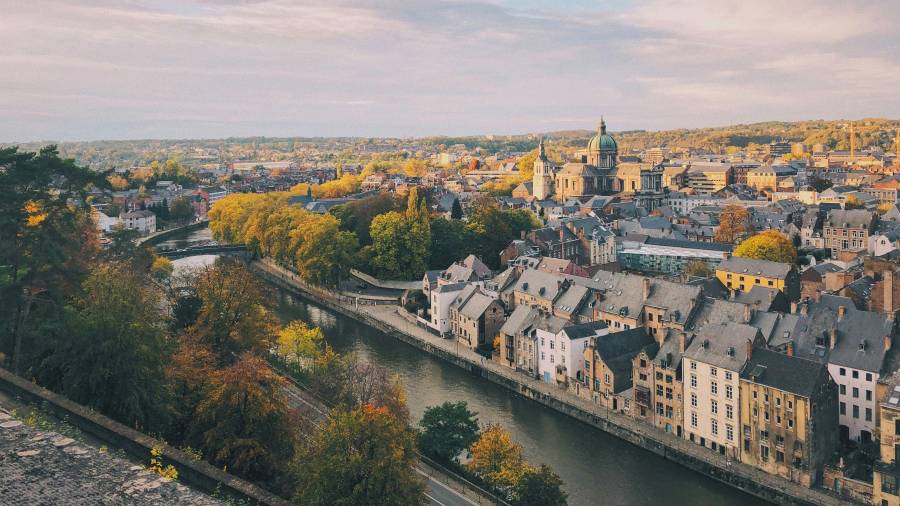
Aerial view of city buildings and a waterway during daytime

Scenic drive: Belgium’s castles and countryside (3-4 days) 

Perfect for short scenic getaways: Imagine driving past stone castles on rocky hills, rivers glinting under the sky and villages dotted with slate roofs and colourful geraniums. 

  • Day 1: Calais → Tournai → Namur (3-4 hours). Namur has a citadel sitting high on a hill above the town. Cobblestones click under your shoes as you explore the old streets 

  • Day 2: Namur → Dinant → Bouillon (2-3 hours). Church towers, dramatic cliffs and Bouillon’s castle watching over the bends in the river like a silent guardian 

  • Day 3: Bouillon → La Roche-en-Ardenne → Durbuy (2-3 hours). Durbuy claims itself the smallest town in the world. Tiny streets wind between old buildings, and riverside cafés serve local beer and hearty food 

  • Day 4: Durbuy → Ghent or Bruges → Calais (3-4 hours). Stop for one last waffle before heading to the

Top up any time for safe, easy holiday spending 

Essential documents for driving in Europe 

Here’s what you need to take with you: 

  • Your V5C registration document (or rental agreement if it’s not your car) 

  • Proof that your car insurance covers Europe and your whole trip 

  • Breakdown cover that works abroad 

  • A GB or UK sticker for your car (if your number plate doesn’t already show it) 

Most European countries don’t need an international driving permit (IDP) if you have a UK license, but check to be sure. You’ll need a toll sticker to use the motorways in Switzerland or Austria.  

Take photos of all your documents. Save them on your phone and keep paper copies in your glove box. 

Read our full guide on essentials for a road trip

Can I use my UK car insurance in Europe? 

Most UK car insurance includes some cover in Europe but check how many days it lasts and if anything else is needed. Some policies only cover you for a week or two. You might need to extend it for longer trips.  

If you’re hiring a car, insurance may be provided within the price. Always check to make sure you’re covered. 

A person holding a phone up to a credit card reader. Another person sits next to them smiling

What’s the best way to manage money on a driving trip abroad? 

Get some cash currency before you leave. You’ll need it for tolls, parking meters, and tip jars, etc. Most European countries use the euro but there are exceptions, like the Swiss franc in Switzerland.  

You could use a prepaid travel card like the Post Office Travel Money Card for everything else: fuel, hotels, restaurants, shops. They’re easy to top up if you need to add funds.  

Use proper bank ATMs, not standalone ones in tourist areas as they usually charge more. Always pay in the local currency when using ATMs or card machines. If they offer to convert into pounds, say no. It always costs more

Read more about ways to pay abroad

Health, safety and comfort on the road 

Stay safe and comfortable on your road trip with these tips: 

  • Share driving duties to stay alert 

  • Stop every two hours for a stretch or toilet break 

  • Keep reflective jackets accessible in case of breakdown 

  • Pack heavy bags low and near the front for safety 

  • Learn key local words like “pharmacy” and “hospital” 

  • Wear soft, layered clothing and comfy shoes 

  • Keep snacks handy for convenience 

Why travel insurance matters 

What do I do in an emergency? 

112 is the emergency number for the whole of Europe. It works from any phone, even without credit, even if you’re out of signal with your normal provider. Also save your breakdown cover number, your travel insurance emergency number and the number for your accommodation. 

Key takeaways 

Thinking ahead makes your European road trip fun and safe. 

  • Plan your route before you travel and keep your important documents safe 

  • Make space in your plans for unexpected stops or surprises along the way 

  • Sort out your travel money and insurance before you leave 

  • Take regular breaks to stretch, eat local food and enjoy the scenery 

  • Pack light and drive carefully wherever you go 

Read our other guides about planning a road trip and road trip essentials to take with you.

Get cash currency and a Travel Money Card for your trip

Common questions

  • Most European road trips range from a long weekend (3-4 days) up to two weeks, depending on your itinerary. A week is a popular choice for covering a couple of regions or countries at a relaxed pace. If you have the luxury of time, you could take road trip that lasts much longer.

  • Costs vary by route and season but expect to budget for car hire, fuel, tolls, accommodation, food and extras like city tourist taxes and parking. A modest week-long trip for two can easily start from €700-1,000, with prices rising significantly in peak summer months.  

  • Some. Certain cities charge a tourist tax of €1-€3 per person per night. Parking in large cities can be costly, so consider parking outside and using public transport. Some restaurants include a service charge. Motorway tolls are common in France, Italy and Spain, so budget €50-€80 for longer trips. Switzerland and Austria require a country sticker, while German motorways are free. Plan your route to avoid surprises. 

  • It depends on your travel style. Visiting fewer places gives you a deeper experience and less time driving. Covering more places lets you see more but may feel rushed. Consider balancing both for a rewarding trip. 

  • Read more FAQs
  • Everyone in mainland Europe drives on the right-hand side (opposite to the UK). Take your time, stay calm and remember: the driver always sits in the middle of the road. 

  • Most European countries have good networks of public charging points, especially along major routes. Use apps or maps like PlugShare or Zap-Map to plan charging stops and check compatibility with your vehicle. 

Other travel products

  • Travel money

    Order any of over 60 foreign currencies as cash or top up with any of 22 currencies on a Travel Money Card

  • Travel insurance

    Find the right cover for your road trip whether it’s a short or long adventure 

  • Passport Check & Send

    Get your passport application right the first time. We can even complete and submit it for you digitally

Post Office Travel Money Card is an electronic money product issued by First Rate Exchange Services Ltd pursuant to license by Mastercard International. First Rate Exchange Services Ltd, a company registered in England and Wales with number 4287490 whose registered office is Botanica Ditton Park, Riding Ct Rd, Datchet, SL3 9LL (Financial Services Register No. 900412).