Travel insurance for Portugal

From the sun-drenched Algarve to the volcanic landscapes of the Azores, Portugal has something for every kind of traveller. Here’s what you need to know about cover before you go.

Last updated: 2/6/2026

Get ready for Portugal

Portugal has quietly become a beloved European destination for UK travellers. Whether you’re exploring the tiled streets of Lisbon, cruising the Douro Valley by boat, or watching the sun go down over the Algarve, Portugal rarely disappoints.

The country also includes two stunning island territories: Madeira and the Azores. Both are part of Portugal and are popular in their own right, offering a different kind of experience to the mainland. This guide covers the highlights of each region, practical information on costs and getting around, and everything you need to know about travel insurance before you set off.
 

Get a travel insurance quote in minutes

Places to go and things to do in Portugal

Portugal has a great combination of beautiful city architecture and natural beach scenery, and is compact enough to experience both in the same trip. Here are a few ideas to get you started.

Lisbon

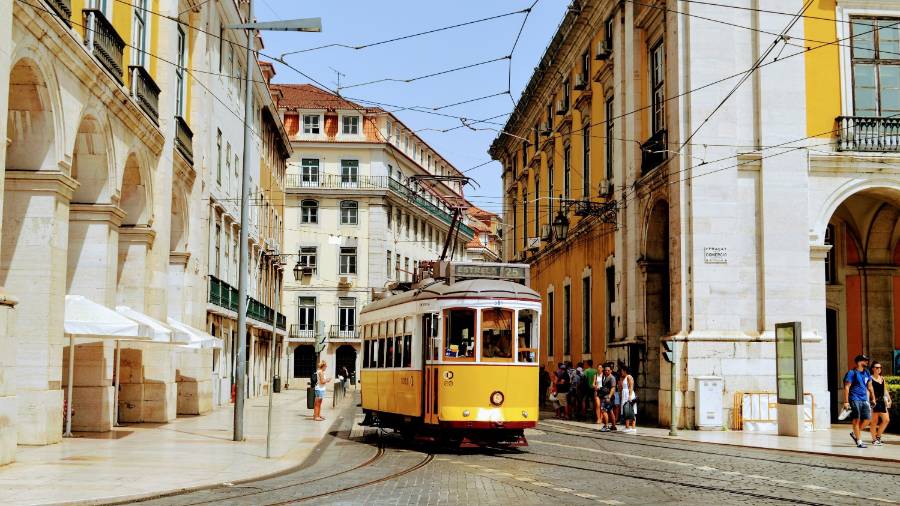
Portugal’s capital is one of Europe’s great cities. Picture trams that rattle up steep cobbled streets, blue-and-white azulejo tiles adorning the facades of old buildings and neighbourhoods that shift in feel from one block to the next. Alfama, the oldest district, is a maze of winding alleys where Fado music floats from the windows of small restaurants. Belém, further west along the riverfront, is where explorers once set sail, and the historic tower and monastery here are among Portugal’s most visited landmarks. The food scene is exceptional, whether you want affordable street treats or fine dining, the city has enough fresh produce to do both.

The Algarve

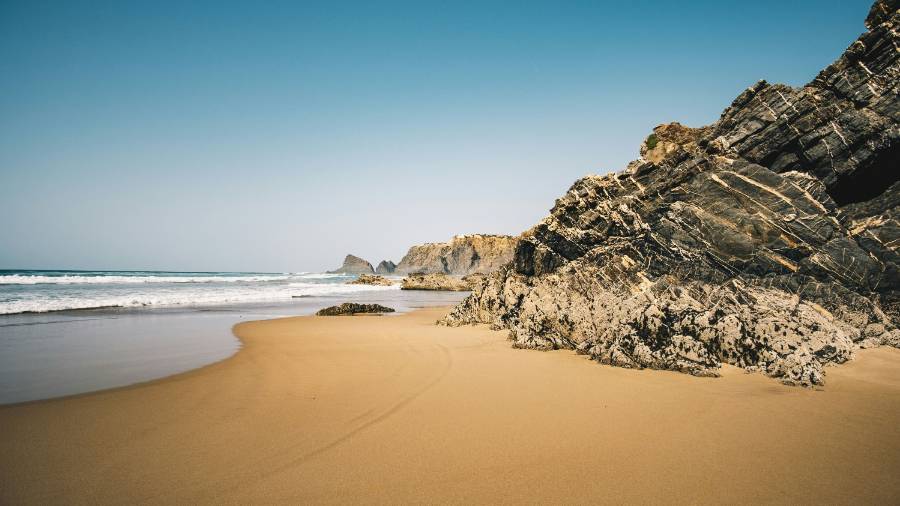
The Algarve draws more British tourists than anywhere else in Portugal, and it’s not hard to see why. The southern coast offers over 300 days of sunshine per year, a string of excellent beaches and a well-developed tourist infrastructure that makes it easy to get around. The region is not all beach resorts, though. The clifftop formations around Lagos, particularly at Ponta da Piedade, offer spectacular views. Inland, the Serra de Monchique mountains offer good hiking and a cooler alternative to the coast.  

Porto

Portugal’s second city is smaller than Lisbon but arguably just as captivating. Porto sits at the mouth of the Douro River and is most famous for two things: its dramatic riverside Ribeira district, a UNESCO World Heritage Site, and the port wine lodges of Vila Nova de Gaia directly across the water. A tasting tour of the lodges is one of the great pleasures of a visit. Beyond wine, Porto has a thriving arts and music scene, magnificent bookshops, and a food culture centred on hearty northern cuisine.

Sintra

Just 40 minutes by train from Lisbon, Sintra feels like a different world. The Serra de Sintra, a wooded ridge running along the Atlantic coast, is dotted with palaces, castles and estates commissioned by Portuguese royalty over several centuries. The most spectacular is the Palácio Nacional da Pena, a Romantic fantasy perched on a crag above the town that is painted in vivid yellow and red.
The Douro Valley

One of the great wine regions of the world, the Douro Valley is a UNESCO-listed landscape of extraordinary beauty. The terraced vineyards that climb the steep valley walls have been cultivated for centuries and produce the grapes used in port as well as an increasingly acclaimed range of table wines. River cruises along the Douro are among the best ways to take in the scenery, stopping at quintas (estates) along the way for tastings. For those who prefer to travel independently, the valley is accessible by train or car from Porto and makes an excellent multi-day trip.

The Minho

The Minho is a rural landscape of swooping river valleys, picturesque towns and hidden beaches. The region has no shortage of vineyards, so you can treat yourself to a delicious local wine after a long day of walking. For those who like to wild swim, there are numerous natural pools you can cool off in on a hot day.

Madeira

Madeira often conjures thoughts of cake and wine, which is certainly no bad thing, but the island offers so much more. Lying in the Atlantic Ocean around 1,000 kilometres southwest of Lisbon, its mild climate and lush scenery make it popular all year round. Outside of the lively capital Funchal, the island is defined by its dramatic volcanic topography: steep cliffs, deep ravines and the famous levadas, a network of narrow irrigation channels that double as walking routes. More adventurous visitors come for the canyoning, mountain biking and paragliding.

The Azores

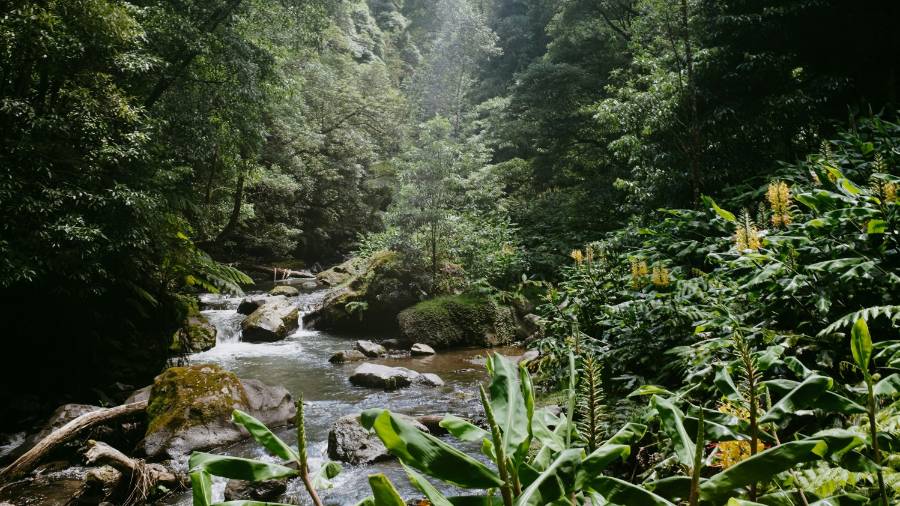
The Azores is an archipelago of nine volcanic islands roughly 1,500 kilometres west of Lisbon, out in the mid-Atlantic. São Miguel is the largest and most visited, home to the stunning twin crater lakes of Sete Cidades and numerous hot springs. The islands are increasingly popular with travellers seeking active outdoor experiences: whale watching, diving, hiking on volcanic peaks and surfing are all widely available. Because the islands are further from mainland Europe than most European destinations, medical facilities are more limited than in Lisbon or Porto. This makes comprehensive travel insurance even more important, particularly if you plan to take part in adventure activities.

Is Madeira in Europe for travel insurance?

Yes. Madeira and the Azores are autonomous regions of Portugal and are part of the European Union. Both are included under a European travel insurance policy, so you do not need to purchase worldwide cover to visit them. At Post Office, both Madeira and the Azores are included within our European cover.

Do you need travel insurance for Portugal?

The FCDO recommends all UK travellers get appropriate travel insurance before visiting Portugal. Healthcare costs can mount quickly, even within Europe. A stay in a Portuguese hospital, an emergency evacuation from a remote part of the Azores, or a cancelled flight due to bad weather can all result in significant out-of-pocket costs. Travel insurance can help protect you against these costs, allowing you to claim back should certain unfortunate incidents occur. 

 If you tend to go away more than once a year, you might want to consider annual multi-trip cover. This gives you the same level of cover for an unlimited number of trips (31 days each or less) across the year. Not only does it mean you don’t have to sort out travel insurance every time you go on holiday, but it can often be cheaper than getting multiple single-trip cover policies within 12 months.

Whichever option you go for, once you’ve got insurance sorted you can focus on the more fun parts of planning your holiday, safe in the knowledge you have some protection in place. 
 

The GHIC in Portugal

UK travellers can apply for a free UK Global Health Insurance Card (GHIC), which entitles you to state-provided healthcare in Portugal at the same cost as a local resident. This can be useful for treatment during your stay. However, a GHIC is not a substitute for travel insurance. It won’t cover private healthcare, and if you’re in an emergency situation, you may not be able to direct an ambulance or taxi driver to a state hospital as opposed to a private one. 

It also doesn’t cover medical repatriation back to the UK, which can be one of the most expensive medical costs if you’re involved in something serious. There’s a strong case for travel insurance on medical reasons alone, but when you consider the costs of trip cancellation, lost baggage and more, insurance becomes even more valuable. You can find out more in our GHIC guide.

Ready to get covered?

How much do things cost in Portugal?

Portugal is generally good value by western European standards, though Lisbon and Porto have become noticeably more expensive in recent years. The Algarve varies widely depending on how far you stray from the main resort areas. The islands tend to be slightly pricier than the mainland due to the costs of importing goods.

Portugal’s currency is the euro. Here are some examples of average costs in Lisbon, based on data from Numbeo (accurate as of April 2026):

  • Three-course meal for two (mid-range restaurant, no drinks): approx €45 (£39.14)
  • Regular cappuccino: approx €1.80 (£1.54)
  • One-way local transport ticket: approx €2 (£1.73)

Post Office can help you get your euros sorted before your trip. With our prepaid travel money card you can load euros in advance and spend abroad without conversion fees. You can also order cash online for collection at a branch or home delivery.
 

What travel insurance does and doesn’t cover

Post Office Travel Insurance is there to support you when things don’t go to plan. Depending on your policy, you can be covered for:

  • Medical treatment abroad: If you become ill or are injured while away, your policy can help with treatment costs and getting you home if emergency care is needed, up to the limits in your policy. You also get access to 24/7 outpatient support , so you can speak to a medical professional via video call or in person
  • Personal belongings: Cover can include items that are lost, stolen or damaged, such as luggage, travel documents or cash. Limits apply and you must report the incident to the police within 48 hours. A police report is required to make a claim
  • Travel delays and missed departures: If your international transport is delayed or you miss it for a reason covered by your policy, you may be able to claim back certain additional costs. Check your policy for what’s included and any limits 
  • Trip cancellation or early return: If you need to cancel your trip or cut it short for a reason listed in your policy, you can claim for unused travel and accommodation, up to the policy limits
  • Personal accident and legal expenses: Your policy can also provide cover for personal accident claims and help with legal costs. Limits apply and are set out in your policy

You can choose from economy, standard or premier cover, depending on the level of protection you want.

Optional extras

Depending on what you plan to do in Portugal, you may want to consider adding extra cover to your policy. Limits and terms apply to the following add-ons, all of which can be found in our policy documentation online:

  • Trip disruption cover: Protecting you against events that disrupt your trip, including strikes, terrorism, natural catastrophes, airspace disruption and adverse weather events
  • Gadget cover: Increasing the amount of cover available for smartphones, as well as tablets, laptops and cameras
  • Winter sports cover: If you plan to ski or snowboard (available on Madeira’s highest peaks in season)
  • Cruise cover: A mandatory requirement by most cruise operators covering specific cruise-related occurrences 
  • Excess waiver: Removes the standard policy excess from any claim

What’s not covered

There are some situations that a standard travel insurance policy will not cover. These include:

  • Pre-existing medical conditions that have not been declared and screened as part of your policy
  • Certain high-risk adventure sports and activities, a list of which can be found on our policy documentation
  • Travelling against FCDO advice or breaking local laws or customs 
  • Incidents that occur under the influence of alcohol or drugs
  • Missed flights due to personal error, such as oversleeping

You can find our full policy wording on our make a claim page which outlines exactly what is and isn’t covered, as well as any limits involved.

Getting around

  • Flights: Portugal is well served from UK airports. Direct flights operate to Lisbon, Porto, Faro (for the Algarve) and Funchal (Madeira) from multiple UK airports. The Azores is served by direct flights from London, though the schedule is less frequent than for the mainland. Journey times to Lisbon and Porto from London are around two to two and a half hours
  • Trains: Portugal has a reliable and affordable rail network connecting Lisbon, Porto and the Algarve. The Alfa Pendular high-speed service runs between Lisbon and Porto in under three hours. Trains are generally the most comfortable way to travel between the main cities
  • Buses: Long-distance coach services connect towns and cities across Portugal and are often cheaper than trains. They are particularly useful for reaching smaller towns in the Alentejo and the north that are not well served by rail
  • Car hire: A hire car gives you the most flexibility, particularly in the Algarve, the Alentejo and on Madeira. Roads are generally good, though mountain roads on Madeira and in the Azores can be narrow and winding. Drive on the right
  • Within Lisbon and Porto: Both cities have good public transport networks including metro, trams and buses. Lisbon’s iconic yellow trams are a tourist attraction in themselves, though they can get very crowded. Ridesharing apps are widely available in both cities
     

Entry requirements

UK citizens do not need a visa to visit Portugal for stays of up to 90 days within any 180-day period. Make sure your passport is valid for the duration of your stay.

The EU Entry/Exit System (EES) may require you to perform biometric registration at the border. There are no costs associated with this and you do not need to prepare anything in advance, but it can mean you spend longer in the airport than in the past.

Staying safe in Portugal

Portugal is a very safe country for tourists. Violent crime is rare and the country regularly features near the top of global peace indices. That said, petty theft and pickpocketing are a concern in busy tourist areas, particularly in Lisbon’s Alfama district, on the city’s trams and at popular coastal spots in the Algarve.

  • Keep an eye on your belongings in crowded areas and on public transport
  • Use hotel safes for passports, spare cash and valuables
  • Avoid leaving anything visible in a parked car
  • Be cautious of distraction techniques used by pickpockets in tourist hotspots

Natural hazards worth being aware of include wildfires, which can affect inland areas of Portugal during hot, dry summers. Check local news and FCDO updates if you are travelling during the summer months, particularly if you plan to hike or drive in rural areas. On Madeira and in the Azores, occasional storms and, very rarely, seismic activity may affect travel plans. Trip disruption cover provides protection against these kinds of events.

Always check the FCDO travel advice for Portugal before you depart.
 

Why choose Post Office Travel Insurance?

  • We’re an award-winning provider,with our Premier cover being 5-star rated by Defaqto
  • We’ve paid out over £79 million in claims over the past five years 
  • We consider all pre-existing medical conditions as part of our screening process and will refer you to another insurer if we can’t cover you due to medical reasons
  • Medical Assistance Plus gives you access to a 24/7 English-speaking GP1 by video call for non-emergency health queries while you’re away
  • Both single-trip and annual multi-trip policies available, with annual cover a cost-effective option if you plan on multiple trips within the same year
  • Add on additional cover to suit your trip for an extra premium. Create a policy which fits your holiday

Key takeaways

  • Portugal is a very safe, welcoming destination for UK travellers, and travel insurance is recommended by the FCDO so you can focus on enjoying your trip
  • Madeira and the Azores are part of Portugal and are included under a European travel insurance policy
  • A GHIC gives you access to state healthcare in Portugal but does not replace travel insurance
  • Always declare pre-existing medical conditions when you take out a policy to make sure you are properly covered

Put cover in place for your Portugal adventure today

Common questions about travel to Portugal

  • Travel insurance is recommended by the FCDO for all visitors to Portugal. Without cover, you could face significant costs if you need emergency medical treatment, are hospitalised, or need to cancel or cut short your trip. Given how affordable a policy can be relative to the overall cost of a holiday, the case for having one is strong.

  • Yes. Madeira and Porto Santo are autonomous regions of Portugal and are part of the European Union, so they are included under a European travel insurance policy. You do not need to purchase worldwide cover. At Post Office, both islands fall within our European policy.

  • Yes. At Post Office, we consider all pre-existing medical conditions as part of our screening process. You will need to declare any conditions when you take out your policy. We can’t support all medical conditions, but if we’re not able to offer you a policy, we’ll refer you to a specialist provider that might be able to help.

  • The cost of a policy depends on a number of factors, including the level of cover you choose, the length of your trip, your age, and whether you have any pre-existing medical conditions. The best way to find out is to get a quote, which you can do quickly and easily online.

Footnotes

1 Medical Assistance Plus is not available for trips taken in the UK, only for international travel. The service allows up to 3 separate medical events per person listed on the policy, and up to 3 appointments per event. All appointment charges are covered by your travel insurance policy. You will not need to pay any excess fees for this service. You may need to pay for your prescription upfront and claim on your return home.

2 Post Office has won the following awards:
Post Office won a “Best Travel Insurance Provider” award at the Your Money Awards in 2022, 2023, 2025 and 2026.
Post Office won a 5-star Money Facts rating for Travel Insurance in 2025.