What to do if your local bank branch closes

If your local bank branch closes, you’re not cut off from your money. You can still use banking services through Post Office branches, Banking Hubs and your bank’s digital or telephone services.

This guide explains what happens before a bank branch closes, where you can withdraw or deposit cash afterwards and how small businesses can keep paying in takings locally.

Last updated: 12/11/2026

What happens when a bank branch closes

If your local bank branch closes, you’ll need to know where you can pay in cash or cheques, withdraw money or speak to someone from your bank face to face. So we work closely with the banks to make sure you can.

Many people can use their existing bank account at a Post Office branch. Over 10,000 branches offer access for personal and business customers from all the major banks.

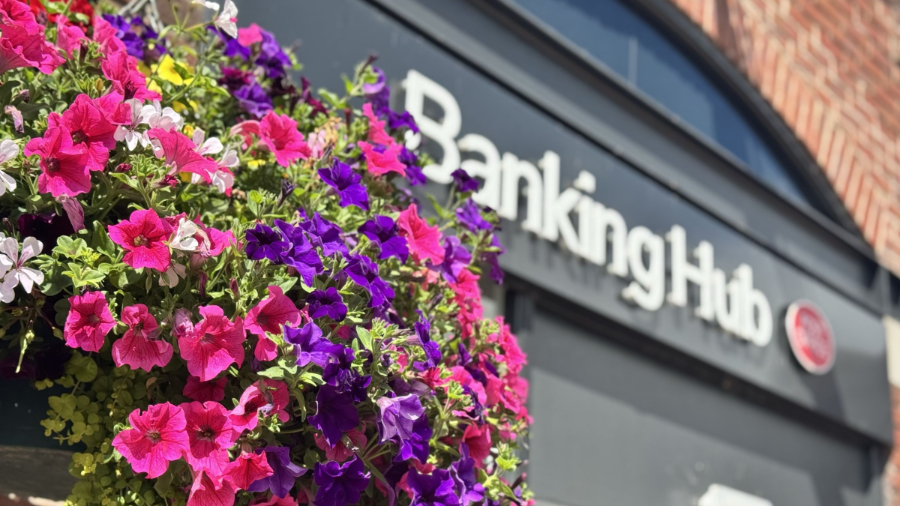
Some communities also get a Banking Hub, where customers from different banks can use counter services operated by Post Office and speak to a community banker from their own bank on set days.

We’ll cover these options and link to more detail.
Why are bank branches closing?

Bank branches close for lots of reasons. One of the biggest is that more people now use online banking, mobile apps and card payments. That means fewer in-person visits, making it harder for banks to keep every branch open.

That doesn’t mean everyone has switched to digital banking. Some people still need face-to-face help. That includes people who rely on cash, find apps hard to use, have accessibility needs or businesses that pay in cash regularly.

For these customers, a bank closure may mean changing routines or travelling further to do their banking.

What happens before a bank branch closes?

Banks shouldn’t close a local branch overnight. When a branch is due to close, the bank should tell customers and explain what other services are available nearby.

Access to cash may also be assessed. This checks whether local people and businesses still have a reasonable way to withdraw cash, pay it in and get help with banking tasks. If there isn’t enough access nearby, a new service may be recommended, such as a Banking Hub, deposit service, ATM or extra support through an existing Post Office branch.

If your bank branch is closing, check the letter, email or notice from your bank. It should explain the closing date, your nearest alternative branch, how to use Post Office banking services and any local face-to-face options.

Where can I bank if my local branch closes?

If your bank branch closes, you still have several ways to manage your money:

  • Post Office branches: use banking services with your existing personal or business bank account
  • Banking Hubs: shared spaces where several banks’ customers can use counter services and speak to community bankers
  • Your bank’s app or website: manage payments, transfers, Direct Debits and account settings online
  • Telephone banking: speak to your bank if you’d rather not use an app
  • Another branch: visit a different branch of your own bank, if one is still within reach
  • ATMs and cash services: use a cash machine or cash access service for withdrawals, where available

A Post Office branch may be your nearest place to use banking services. You can bank at over 10,000 branches across the UK, often with longer opening hours than a traditional bank branch. Services vary by bank, so check what your bank lets you do before you visit.

Find your nearest branch for banking services

What can I do at a Post Office branch?

With most major UK banks, you can use a Post Office branch for banking services. These can include:

There are limits and cut-off times for some services. Your bank may also set its own rules for daily withdrawals, cash deposits, cheque deposits and business banking. If you’re planning to pay in a larger amount, check your bank’s limits first.

What is a Banking Hub?

A Banking Hub is a shared place for in-person banking. It’s usually set up where bank branches have closed and the area needs better access to cash and face-to-face support.

At a Banking Hub, you can usually use the same counter services for day-to-day banking as you can in a Post Office branch.

A Post Office branch may be your closest option for cash withdrawals, cash deposits, cheque deposits and balance checks. A Banking Hub is different because it’s a shared banking space where you may be able to speak to a community banker from your own bank on set days. This can help if you want a face-to-face conversation rather than using an app or phone. Banks represented and their visiting days vary by hub, so check with the local team or visit the Cash Access UK page.

Read more: What is a Banking Hub?

Can small businesses deposit cash locally?

Yes. Many small businesses can deposit cash through a Post Office branch if their bank takes part. That can help if your nearest bank branch has closed and you still take cash payments from customers.

Local cash banking matters for shops, cafés, tradespeople, market sellers, salons, community groups and other organisations that handle notes and coins. Paying in takings nearby can save time, cut travel and make your working day easier.

Some business accounts also let you get change at a Post Office branch, such as for your till or float. Limits, charges and services differ by bank, so check before you visit. If you pay in cash often, review which nearby branches offer the opening hours and services you need.

Read our guide to paying in your business takings

What if I need help with banking in person?

If you’re worried about losing face-to-face banking, start with your bank. Ask what help is available, where your nearest alternatives are and whether they offer telephone support, app support or appointments elsewhere.

You can also check whether there’s a Banking Hub near you or one planned for your area. If there isn’t, communities can ask for local access to cash to be reviewed. That review can look at whether your area needs extra support. 

If you already use a Post Office branch for other things, such as sending parcels or paying bills, banking there may feel like a natural next step. Our branch teams can help with everyday transactions, but they can’t give financial advice or make decisions about your bank account. For that, you’ll need to contact your bank directly.

More about Banking Hubs and their locations

Key takeaways

  • If your local bank branch closes, you may still be able to withdraw cash, deposit cash, pay in cheques and check your balance nearby
  • Post Office branches offer banking services for most major UK banks, with personal and business services available
  • Banking Hubs offer shared counter services and access to Community Bankers from different banks on set days
  • Small businesses can often keep depositing cash locally through a Post Office branch, depending on their bank’s rules
  • Services, limits, charges and cut-off times vary, so check your bank’s guidance before you visit

Find out more about banking at Post Office

Common questions

  • You can usually withdraw cash, pay in cash and cheques and check your balance if your bank takes part. Business customers may also be able to pay in takings, withdraw cash or get change. Check what your bank offers in our branches on our banking services page.

  • Many banking services are free for personal customers, but your bank may set its own rules or charges for some services. Business account charges can vary too, so check with your bank if you’re unsure.

  • A Post Office branch offers banking services alongside other Post Office services. A Banking Hub is a shared banking space that offers counter services, a range of cash machines for paying in and withdrawals, and access to community cankers from different banks on set days.

  • If your area needs better access to cash and face-to-face banking, you can ask for local access to cash to be reviewed. If a review finds that more support is needed, a new cash service or Banking Hub may be recommended.

    Find out if we’re opening a hub near you

Banking and paying bills

  • Banking services

    Access your personal or business bank account at thousands of Post Office branches. Pay in cash and cheques, take out cash or check your balance1

  • Banking Hubs

    Take cash out or pay money into your business or personal account at a growing number of Banking Hubs, operated by Post Office with the major banks

  • Bill payments

    Pay your utility bills, rent and council tax or buy top-ups, transport tickets and more at 24,000 Post Office and Payzone locations UK-wide

Footnotes

1 Some banks may charge for certain services. Please ask your bank for details. Some restrictions apply. Your bank may choose to offer some or all services through Post Office. Please ask your bank for more details.