In this article

Online shopping convenience and why returns matter
Many of us like to shop online for its flexibility. You can browse whenever you like, compare colours or sizes and buy without leaving home. For many people, being able to return items easily is part of what makes online shopping appealing. It lets you experiment, try things at home and make decisions without pressure.
But there are several reasons you might need to return something, such as:
- It doesn’t fit
- The colour or style isn’t right
- It wasn’t what you pictured from the images or description
- It was a gift that didn’t arrive on time
- You ordered a few options and plan to send some back
- The item arrived damaged or faulty
Whatever the situation, knowing your rights helps you shop with confidence. It also helps you avoid delays, extra costs or uncertainty when something needs to go back.
If you need to return something, you’ll want to understand:
- Your rights as an online buyer
- How long you have to return items
- Whether you’re entitled to a refund
- What to do if the item is faulty
- What items usually can’t be returned
- How to package and send your item back
- Whether the return shipping costs are covered by the retailer or must be paid for
This guide offers general advice based on UK consumer law. It isn’t legal advice. For more details or help with a difficult return visit Citizens Advice.
Your rights as a buyer when shopping online
Just as when you buy in a physical store, online shoppers have strong protections under the Consumer Contracts Regulations 2013. These rules exist to give online shoppers clear expectations. They explain how long you have to change your mind, how refunds work and what retailers must do.
The law is designed to keep things fair. Buying online means you can’t check an item in person before you commit, so you’re given more control when something arrives and isn’t right.
How long you have to return your items
Most online shoppers have:
- 14 days to tell the retailer that you want to return your item
- 14 more days to send it back once you’ve told them
This is often called the “cooling-off period.”
Some retailers offer longer return windows as part of their own policies, especially during busy shopping seasons. Others might shorten the window for specific items. Some may provide free returns while others might charge a return fee. Always check the retailer’s returns page before you buy so you know what to expect.
Custom-made or personalised items aren’t usually covered. These are created specifically for you so can’t be resold. Retailers aren’t expected to take them back unless there’s a fault.
When to expect a refund
Once your return reaches the retailer or you provide proof you’ve posted it, they normally have 14 days to issue your refund.
Some may refund the original delivery cost, though this varies and isn’t common, especially if they’re covering the return postage.
Refunds usually go back to your original payment method. It’s always best to check the retailer’s returns policy before buying so you know what to expect.
Faulty or misdescribed items
If your item’s faulty, damaged or not as described, your rights are stronger than if you’ve simply changed your mind about wanting it. Under the Consumer Rights Act 2015, you’re entitled to a refund or repair but how long you’ve had the item determines what the retailer must do:
- From 0 – 30 days: You can claim a full refund
- From 30 days – 6 months: They can try one repair or replacement before offering a refund
- After 6 months: They can try one repair or replacement then may still offer a partial refund. You may need to prove the item is faulty
If you want a replacement instead of a refund within 30 days, you can ask the retailer, but they shouldn’t refuse a refund.
The 30-day refund rule doesn’t apply to downloads like music, games or apps. For faulty digital products, you can ask for a repair or replacement, or a price reduction if that's not possible.
The period is shorter for perishable goods like baked goods, fresh produce, diary, meat, poultry and seafood as they have shorter expiry dates.
Items that can’t usually be returned
Some items usually can’t be returned, either at all or once they’ve been opened. Examples include:
- Earrings and other pierced jewellery
- Fresh flowers and certain food
- Sealed health and beauty items once opened
- Underwear and swimwear once opened
- Digital downloads once accessed
- Custom-made or personalised items made, or personalised items made or personalised items
- CDs, DVDs or software, if you break the seal on the wrapping
- Items from a private seller on a social media marketplace or online auction site
If something can’t be returned, retailers should make this clear in their online journey before you place your order.
Need to return an unwanted item?
What to check in a retailer’s returns policy
Reading the retailer’s returns policy before you buy helps avoid surprises. Look for:
- How long you have to return an item
- Whether returns are free or paid
- Which return methods are accepted (eg post, locker or in-store)
- Any condition requirements
- Whether proof of purchase is needed
- How marketplace sellers handle returns
- Whether the seller is based overseas
Marketplace and third-party sellers’ considerations party
When you buy through platforms like Facebook Marketplace, Amazon Marketplace, eBay or TikTok Shop, sellers operate as private individuals. This means your rights may be different.
Before buying, check:
- Whether the seller accepts returns
- If the marketplace offers buyer protection
- Reviews from other customers who bought from the seller
- Who pays return postage, you or the seller
- Whether the seller is overseas (as the return cost may be expensive)
Keep records of your conversations, save screenshots of the listing and use secure payment methods that offer buyer protection wherever possible
How to log a return correctly
Starting the return process early helps avoid delays. Follow these steps:
- Notify the retailer first: Most retailers need you to tell them before sending your item back by logging what item or items you want to return. You might do this through your online account, email or live chat
- Follow their instructions: Pay attention to any labels you may need to print, return addresses, how to package and label items correctly, and the return deadline
- Keep records: Even when you’ve sent off your return, keep your order and return confirmations, reference numbers and proof of posting or collection receipts. If anything goes wrong, you’ll have these as proof to show the retailer
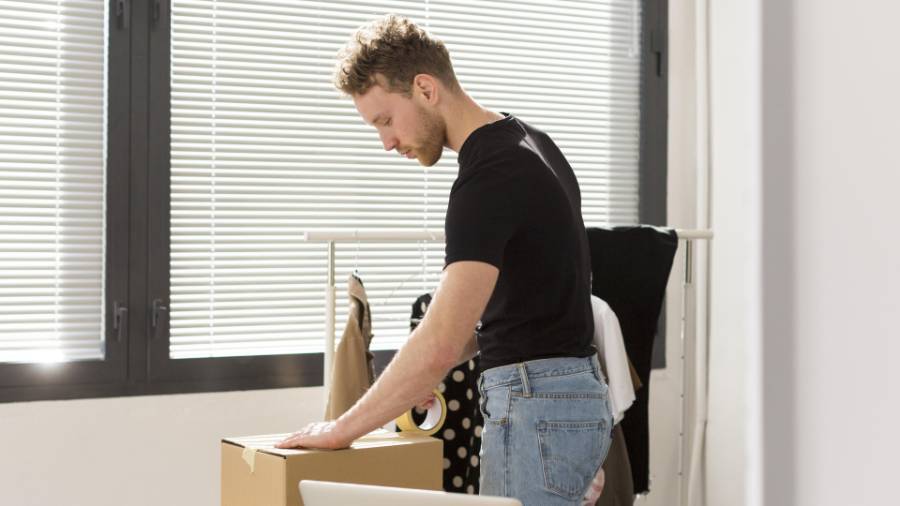
Getting your item ready to return
If you change your mind and want to return your item or items, make sure they are:
- Unused
- In a resaleable condition
- In their original packaging where possible
Packaging your return
When you’re packing up your item you want to return, make sure you pack it up carefully by:
- Reusing the original packaging
- Removing or covering old labels
- Sealing the parcel firmly with plenty of tape
- Including any required paperwork (e.g. if a retailer asks you to tick a reason for the return)
Our guide to packing parcels securely may help.
Choosing a tracked service
If the retailer doesn’t offer free returns, choose a tracked service. It gives clear proof of posting and delivery, in case any issues arise.
Online shopping returns: we can help with that
Many online retailers now let you drop off returns at thousands of Post Office branches. This gives you a convenient and secure way to send items back during your day. With many branches open longer hours and some even on Sundays, you can drop off around your busy schedule.
Retailers will use varying courier for returns. Post Office partner with the UK’s biggest couriers and can accept parcels returned using Royal Mail, EVRI, DPD, Amazon and Parcelforce Worldwide. Check which are available at your local branch. What’s more you can print your returns label in any Post Office branch if the retailer uses QR codes; handy if you don’t have a printer at home.
How the drop off process works at Post Office
We work with couriers to make dropping off returns simple. Follow these steps:
- Start the return process at home: Follow the retailer’s instructions, packaging and addressing the item, and applying any supplied labels
- Take it to your nearest Post Office branch: We can scan the QR card and print your returns label if needed. If you need to pay for the return postage, our range of in-branch posting services let you choose the price and features that suit what you’re sending. Remember to always check if your local Post Office branch can accept the parcel you’re returning
- Leave the rest to us: We’ll give you a receipt or tracking number as proof you’ve sent your return to the retailer
Benefits of dropping off returns at a Post Office branch
- Wide choice of couriers: We can accept returns sent with Royal Mail, Parcelforce Worldwide, Evri, DPD and Amazon so if you’ve more than one item to return or post using different couriers, you can get everything done in one place. Please check with your local branch as service availability may vary
- Print return labels in branch: If your return postage is paid by the retailer, but you can’t print the label at home, our team in branch can print it for you. Just show them a QR code from the retailer
- Helpful with posting services: If you need to pay for postage, your local branch team can suggest suitable options or you can buy postage online to suit your needs and budget and drop off your return later
- Proof of posting: You’ll get a Certificate of Posting as proof you’ve returned your parcel to the retailer
- Convenient branches: There are over 11,500 Post Office branches across the UK. Many offer longer opening hours so you can drop off returns when it suits you
Key takeaways
- You usually have 14 days to notify the retailer and 14 more days to return the item
- Faulty or misdescribed items are protected under the Consumer Rights Act 2015
- Some items can’t be returned, such as pierced jewellery or custom-made goods
- Some retailers offer prepaid return labels; many can be printed in branch
- Post Office branches offer a simple way to drop off returns with a choice of couriers
Need to pay for postage for your parcel return?
Common questions
-
Not always. Retailers can ask you to take reasonable care of items, but they usually can’t refuse a return solely because the original packaging is missing. Missing packaging might reduce your refund if it affects the item’s condition.
-
You can inspect an item as you would in a shop. Using it beyond this could mean a reduced refund.
-
Keep it until your refund has been processed. For higher value items, you may want to keep it for longer.
-
If you’ve followed the retailer’s instructions and have kept the proof of posting as the retailer is likely to want to see this, the retailer should still process your refund. Using a postage service with tracking makes this easier to resolve.
Sending and collection services
-
Drop & Go
Sending items often? Save time and easily keep track of what you send with our fast drop-off mails service. It’s free to sign up
-
Parcels Online
Compare services and prices from different couriers. Pay for postage online. Then drop parcels off at any participating Post Office branch
-
Collections
Won’t be home to wait in for deliveries or have a neighbour to take it? Collect your online shopping from your local Post Office branch
More about mails services, tools and guides

How to sell your kids’ used items successfully
If you’re a parent looking to make a bit of extra money or even just declutter your home, selling your kids’ old clothes and preloved items can be a great way to do it.

Why parcel tracking matters when you’re selling online
Providing parcel tracking details helps keep your customers happy, your reputation shining and your profits growing. It shows buyers where their item is and helps prevent complaints or delays. And we can help with that.

Save time with this easy Vinted drop-off hack
Tired of dropping off parcels in different places? This simple hack lets you send all your Vinted parcels from one Post Office branch, saving you time and hassle.

Online seller stories: Manuela, founder of Whirlylicious
Manuela, founder of Whirlylicious, sells colourful candy floss cakes and treats online and sends them all over the UK.

Do I need to pay tax on online earnings? UK tax rules for selling online
Selling online is easier than ever. But do you need to pay tax on what you earn? This guide explains when tax applies, what types there are and how to stay on the right side of HMRC rules.

How to sell your preloved items on Vinted
Want to make a little extra money, clear some space in your wardrobe or a bit of both? Enter Vinted, the online marketplace for buying and selling preloved clothes.

5 tips to grow your online business and be more productive
Work smarter not harder as you grow your online seller business with these tips from confidence coach and Drop & Go user Tiwalola Ogunlesi.

How to post your items internationally
Sending letters or parcels abroad? Whether it’s a birthday gift, business letter or parcels of different sizes you’re posting to customers, we can help with that.

Selling your homemade creations online and locally
Whether you’re into making candles, greetings cards or customised gifts, turning your hobby into a side hustle has never been easier. And we're here to help you get started.

How to sell on eBay
Are you wondering how to make some extra money on the side? Or perhaps you’re thinking of changing your career path? One area to consider is online selling.

How to sell on Amazon UK Marketplace
Have you ever dreamt of quitting the 9 to 5 for a more relaxed way of working? One route to a better work-life balance may be selling online.

How to get started selling online
Learn how to start selling online and make extra money. This guide covers how to set goals, pick the right platform and make sure what you sell reaches customers safely. Plus, a quick, easy, reliable service that can help with that.

8 ways to declutter your home and make extra cash
Thinking about decluttering your home? As well as helping create a calmer space, clearing out your unwanted things could even put some extra money in your pocket.

A clear returns policy: tips every online seller should know
When you run your own online store, your products could end up in homes all over the UK, even around the world. But there’s one thing all sellers must face eventually: dealing with returns. And we can help with that.
Save time with this easy Vinted drop-off hack
Tired of dropping off parcels in different places? This simple hack lets you send all your Vinted parcels from one Post Office branch, saving you time and hassle.

Online seller stories: Bob and Julie, founders of Corby Kilns
Bob and Julie, the husband-and-wife duo behind Corby Kilns, have been at the heart of the UK’s pottery community for almost three decades.

What is SEO? Getting your small business found online
Promoting your business online is one of the best ways to attract new customers. But knowing where to start can be confusing.

Growing your business beyond online marketplaces
You’ve proved your products sell on eBay, Amazon Marketplace or Vinted. Now you’re thinking bigger: steadier sales, better profits and more control.

Why your packaging matters when you sell online
The right packaging protects your products, builds customer trust and can save your business money. And we can help with that. Read our guide to help get it right for you and your shoppers.
Changes to USA customs requirements for imported goods
From 29 August 2025, new rules apply to goods sent to the USA. Among the changes, items valued at $800 or less are no longer exempt from import duties and taxes.

Online seller stories: Jade, founder of Smell-A-Licious
Meet Jade, the creative force behind Smell-A-Licious, the handmade wax melt brand that’s designed to fill your home with happiness.

How to keep your parcel deliveries safe
Online shopping’s become one of the easiest and most popular ways to buy goods in the UK. Making sure your orders reach you safely and securely is more important than ever.

Choosing the right courier for your needs
Whether you’re fulfilling regular orders or only sending items now and then, you’ll want to know you’re getting the right postage service at the right price. We can help with that.

The ultimate side hustle guide
Want to earn extra money or build a new career? Starting a side hustle could be your answer.